


📌 Key Takeaways
Persian saffron rice is presented as a traditional dish where simple ingredients and careful preparation create a memorable dining experience. The article walks through the complete preparation process, from rinsing and soaking basmati rice to blooming saffron, layering the rice, steaming it slowly, and preparing the crispy tahdig. It also explores popular pairings such as grilled chicken, Beef Koobideh, lamb, Persian stews, salads, and yogurt. Beyond the recipe, the article highlights saffron rice as an important part of Persian gatherings and traditions, making it a signature choice at a Persian restaurant Houston.
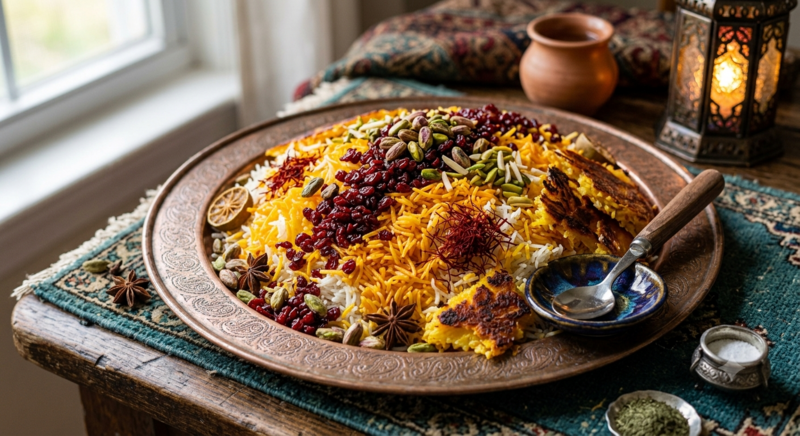
Persian saffron rice is more than a side dish. It brings people together and makes any meal memorable. Its bright color, pleasant aroma, and tender taste stand out. As a favorite in Persian cuisine, it connects people to tradition. Every grain of rice speaks of flavors and passion.
The chefs at Aban Persian Restaurant understand that great recipes start with basic ingredients and the proper way of preparation. This rule works perfectly in the case of making authentic Iranian saffron rice. A few easy tricks can turn your regular rice into something special.
In this guide, you’ll learn about the Persian saffron rice recipe and the ingredients needed. You’ll also discover why this dish is important in Persian cuisine and a part of a Persian restaurant menu
How to Make Persian Saffron Rice?
Its delicate taste can be enjoyed with grilled meat, flavorful stews, fresh vegetables, and smooth yogurt in order to make every combination unique. This particular Persian saffron rice recipe requires patience in cooking. This is because the procedure involved in this recipe is very simple, but it demands lots of care and attention to detail.
Many people believe saffron rice is hard to make. It’s not. The key is to take your time, not rush the process.
Gather the Ingredients
You will need the following ingredients:
-
2 cups long-grain basmati rice
-
4 to 5 cups of water
-
2 tablespoons salt
-
A generous pinch of saffron threads
-
3 tablespoons melted butter or olive oil
-
2 tablespoons warm water
-
Thin potato slices or flatbread, if you would like a crispy crust
Our chefs always suggest that we use the best quality ingredients and spices. It helps make it very delicious. Along with that, it also maintains its aroma and makes it tempting.
Rinse the Rice Well
Start by rinsing the rice with cold water several times. Do not stop after one rinse. Continue until the water looks clear.
This removes extra starch from the surface. As a result, the grains stay light and separate after cooking. It is a simple step. Still, it makes a noticeable difference on the plate.
Soak Before Cooking
Place the rinsed rice in salted water for about thirty minutes.
The grains soak up the moisture even before putting them in the pot. It enables them to cook uniformly and gives them a soft texture.
Many Persian families never skip this part. The extra waiting time pays off once dinner is served.
Parboil the Rice
Bring a large pot of water to a rolling boil. Salt needs to be added in sufficient quantity. The water needs to be saltier than the soup.
Add the soaked rice and cook it for about six to eight minutes.
The grains should feel tender on the outside while staying firm in the center. Drain the rice right away.
Cooking it too long at this stage often leads to soft rice after steaming.
Bloom the Saffron
This step gives the rice its beautiful color and gentle floral aroma. Crush the saffron threads into a fine powder. Mix the powder with warm water and let it rest for at least fifteen minutes.
The color becomes dark gold gradually. As many people state, this step is one of the most pleasant things that can happen in the kitchen. Even without steaming rice, the scent spreads all around the kitchen.
Some traditional cooks even prefer placing the saffron over an ice cube. It takes a little longer, but many believe it creates an even richer color.
Build the Layers
Add butter or olive oil to the bottom of a heavy pot. If you enjoy crispy tahdig, place thin potato slices or flatbread across the bottom.
Next, spoon the rice into the pot. Do not press it down. Shape the rice into a gentle mound instead. This creates small spaces that allow steam to move through every layer.
Drizzle the saffron mixture over part of the rice. Leave some of the rice white. The contrast between white and golden grains gives Persian saffron rice its classic appearance.
Steam the Rice
Wrap the pot lid with a clean kitchen towel before placing it on the pot.
The towel catches extra moisture during cooking. That keeps the rice fluffy instead of damp. Cook the rice over low heat for about forty-five minutes.
Patience matters here.
There are many quick Persian saffron rice recipes, but Iranian saffron rice takes time. That’s why our chefs make it the same way each day. No other method achieves this result.
Enjoy the Famous Tahdig
Tahdig is the crispy layer that forms at the bottom of the pot.
Many people save it for the end of the meal. Others quietly reach for it first. Our team has seen both happen countless times, and the smiles around the table always say the same thing.
Potato tahdig has a crisp bite with a soft center. Bread tahdig offers a lighter crunch. Rice tahdig delivers rich flavor with every piece.
If the crust gets stuck to the pot, you need to put its hot bottom side on a cool and wet cloth for one minute.
That small trick often makes serving much easier.
Our chefs at Aban Persian Restaurant prepare fresh and tasty Persian Saffron Rice every day while using authentic cooking techniques. Every dish is prepared with precision. If you wish to experience the authentic taste of Persian Cuisine, visit our persian restaurant houston!
What to Eat with Saffron Rice?
It is because of its versatility that many individuals opt for consuming Persian dishes. The recipe for Middle Eastern saffron rice continues to remain popular and easy.
Its gentle flavor pairs beautifully with grilled meats, rich stews, fresh vegetables, and creamy yogurt. Every combination creates a different dining experience.
Grilled Chicken
Juicy saffron chicken is one of the most popular choices.
To prepare the Middle Eastern saffron rice dish, you need quality and fresh ingredients. It requires good-quality saffron and long-grain rice.
Beef Koobideh
Tender beef koobideh and Persian saffron rice belong together.
The grilled meat brings deep savory flavor, while the rice keeps every bite light and balanced.
Fresh herbs and grilled tomatoes complete the meal.
Lamb
Slow-cooked lamb creates another classic pairing.
The tender meat and fragrant rice complement each other without feeling heavy.
Persian Stews
Persian saffron rice also pairs beautifully with traditional stews. This is where Iranian saffron rice truly shows its flexibility.
Rich stews like herb stew, yellow split pea stew, and walnut pomegranate stew offer deep flavor. The rice slowly absorbs the sauce. Every bite feels balanced and layered.
This is a common pairing in many Persian homes. Our chefs often say this is the heart of everyday Persian dining: simple rice on the side, rich stew on top.
At Aban Persian Restaurant, these combos are some of the most popular. Guests often return just for this pairing.
Fresh Salads and Sides
Light sides bring balance to the meal.
A cucumber and tomato salad adds freshness. A bowl of yogurt with herbs cools the palate. Pickled vegetables add a slight tang that cuts through the richness.
This balance is important in Persian dining. Meals are not just about flavor. They are about contrast and comfort together.
A small observation from our kitchen. Many guests quietly mix yogurt with rice on the side, even before the main dish arrives. It is simple and satisfying.
Why Saffron Rice Defines Persian Dining
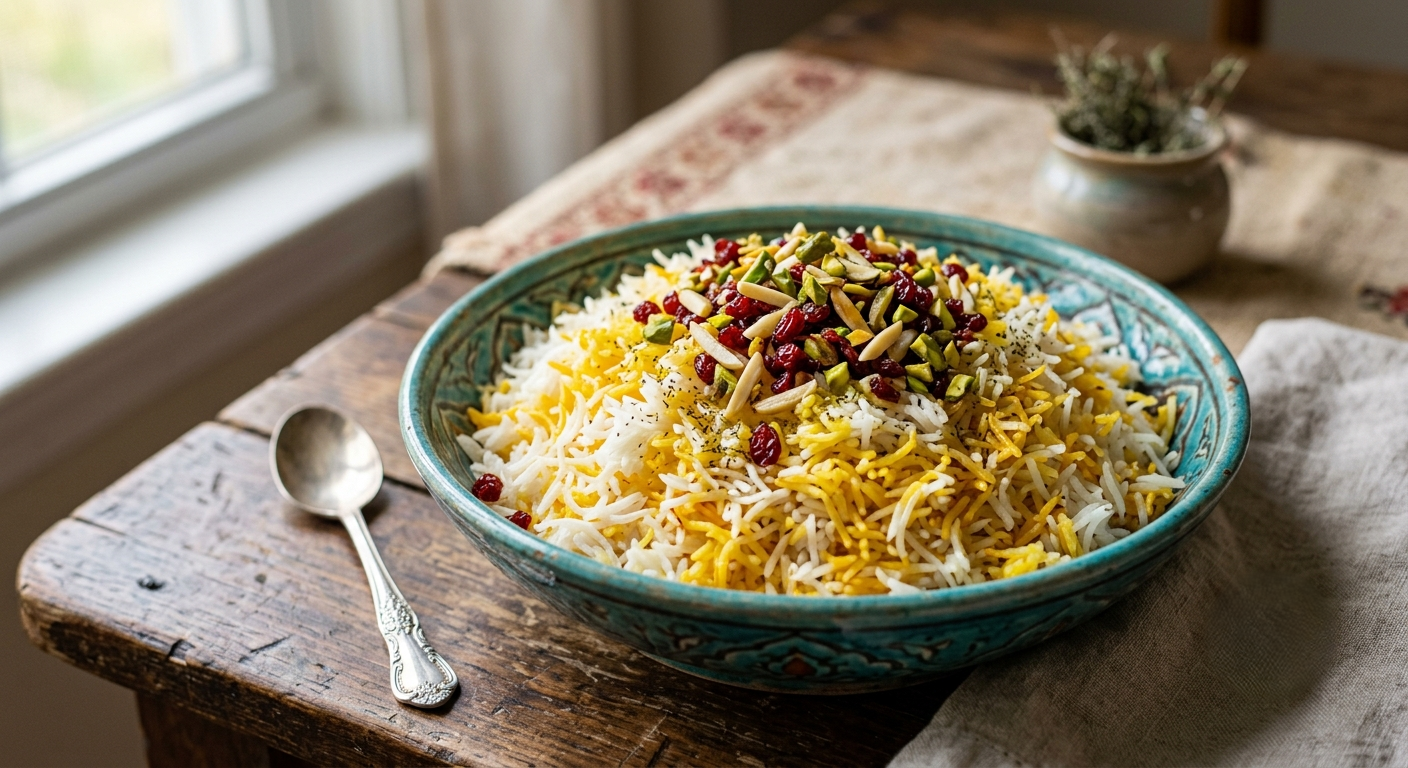
Persian saffron rice holds cultural meaning far beyond the plate. It is found at all weddings and family gatherings. This dish is the one that makes people stay connected with its tradition.
Saffron is key to this identity. Often called red gold, it requires thousands of flowers to yield a tiny amount. This rarity makes it truly special.
But here is the thing. The value is not only in the spice. It is in the process.
Rice is rinsed carefully. It is soaked with patience. It is steamed slowly. Nothing is rushed.
That is why Iranian saffron rice feels different. It carries intention in every grain.
In Persian homes, the scent of saffron hints at a special meal. It excites people about enjoying tasty food.
At Aban Persian Restaurant, our chefs follow these same traditions. We believe respect for the process is what creates authentic flavor. Guests often tell us the aroma alone feels familiar and comforting.
For those searching for Middle Eastern food that Houston diners enjoy, our kitchen continues to serve these traditional dishes with care and consistency.
The Essence of Authentic Iranian Saffron Rice
The authentic Persian saffron rice Recipe is not complicated; instead, it's made carefully.
Rinse the rice properly, pick the best quality saffron, and steam it slowly. These steps may sound basic, but these are the ones that define the authentic flavor of rice.
The result is what you'll love. Authentic, mouth-watering Persian Saffron rice with the right color and crunch. It goes well with all Persian dishes and together makes the meal complete.
Once you understand how to make saffron rice, it becomes more than a recipe. It becomes a routine worth repeating.
For anyone who prefers to experience it without cooking at home, Aban Persian Restaurant offers authentic Iranian saffron rice prepared the traditional way. Our chefs bring years of experience and care into every pot we serve.
A visit is more than a meal. It is a small glimpse into Persian hospitality. Visit our restaurant today!
 Omojet