


📌 Key Takeaways
Persian cuisine is known for its rich flavors, fresh herbs, fragrant spices, saffron rice, grilled meats, and slow-cooked stews. Popular dishes such as kebabs, Tahdig, Ghormeh Sabzi, Fesenjan, Zereshk Polo, and Dolma showcase its unique balance of sweet, sour, savory, and aromatic flavors. The cuisine also emphasizes fresh ingredients, traditional cooking methods, and shared meals, making Persian food a flavorful and culturally rich dining experience.
Long ago, flavours began shaping what we now know as Persian cuisine - bold aromas fill every bite. Before tasting even begins, eyes meet vibrant shades set carefully by hand. History lives inside these dishes, revealing past ways of life along with cherished herbs and livestock. Across borders, people choose these meals where ingredients stay close to earth, untouched by artificial additives or forbidden meats. Eating becomes both clean and permitted through natural choices made generations ago.
Saffron-tinted rice cooks up alongside dried barberries or fresh herbs, sitting at the center of countless dinners. Off the flame, skewered meats - lamb, poultry, fish - come off glistening, kissed by open fire. Pots left bubbling for hours marry stone fruit with legumes, greens, and slow-cooked protein - the steam breaking down edges until flavors curl into one another. Flat loaves pressed against heated rock emerge crisp, ready to pull flavor from every pooled liquid they meet. Around places such as Houston, a mediterranean restaurant houston observing halal practices tends to spotlight Iranian-style fare early on menus; lines grow steady for platters stacked with charred tomatoes, grilled cuts, and warm bread laid beside them.
Few dishes elsewhere mix sour cherry juice into simmering meat the way Persian kitchens do. Lime, left in sun till blackened, brings sharp depth alongside sweet pomegranate syrup. Instead of just blending flavors, they build them - smoke first, then fruitiness, followed by a hint of rose. Cinnamon swirls through stews; cardamom seeds crack open warmth, while fresh mint lifts everything higher. Though similar spices appear across the region, here they unfold one at a time on the tongue. Walnuts ground fine go into poultry sauces unlike most neighboring styles. Each flavor stays clear, never merging into background noise. That clarity makes the food stand apart, even when using familiar elements.
What Is Persian Cuisine and Why Is It So Special?
A land called Iran, sitting in Western Asia, gives birth to what people known as Persian food – one bite often holds sweetness, tang, then depth, all stacked without warning. What stands out is how each dish weaves these layers so carefully, never letting one shout louder than the rest. Taste it, and you notice harmony built quietly, not forced. Balance isn’t an afterthought here; it arrives first.
From ancient times, Persian cooking began within one of humanity’s earliest empires. Through contact with regions across Central Asia and lands bordering the Mediterranean, ingredients like fruits and spices moved into their food culture. Over hundreds of years, shared techniques reshaped traditional recipes while new ideas continued flowing in. Even today, people return to these dishes - drawn by depth built through time.
A steady hand shapes each dish an Iranian kitchen crafts - sweetness meets tanginess through lemon or pomegranate, while salt lingers just enough. Saffron drifts into steamed grains, painting golden threads across fluffy mounds. Fresh greens tuck alongside tender chunks of poultry, their sharpness cutting through richness quietly. Color blooms on the plate without calling attention to itself. Every bite moves with rhythm, light yet full. Heavy digestion stays far away.
A bunch of fresh ingredients shows up right in the middle of Persian cooking - preparation stays light, with uncooked herbs tossed in, veggies that just came out of the ground, or meat cut hours before it hits the pan.
Is Persian Food Middle Eastern or Mediterranean?
Persian food fits into the broader group of meals eaten throughout the Middle East. Because of regional ties, flavors often overlap with those near the Mediterranean coast. In surprising ways, these kitchens feel like distant reflections of one another.
Fresh ingredients shape much of Iran’s cooking - think leafy greens pulled from the soil just hours before eating. Olive oil, slowly pressed without heat, coats many plates here, bringing a smooth richness. Herbs, fragrant and often chopped finely, weave through stews and rice alike. Grains appear in waves - not one kind alone but barley, wheat, rice shifting across meals. Though Iran lies within the Middle East, these habits link it quietly to lands bordering the sea. What grows nearby tends to land on plates nearby. Meals reflect landscape more than maps.
West of the desert sits Iran, Iraq, then Turkey among others. Along the sea you find Greece, next Italy, followed by Spain and beyond. From these two worlds, Persian food quietly takes what it needs. Out of arid lands come meats on sticks, bulgur grain, spices that fill a room. From sunlit shores flow thick tomatoes, sour drops of lemon, slick oil, green things plucked fresh. Ends where one influence stops, another begins. A shared meal takes shape, blending flavors from north and south without favoring either. What matters most shows up in how they come together - on purpose, not by chance.
Inside a Houston restaurant serving Mediterranean food, people might notice dishes they’ve seen at Middle Eastern spots too. That happens since many of the cooking methods and ingredients share common roots long before borders were drawn.
Key Ingredients in Persian Cuisine
Persian cuisine relies on fresh, high-quality ingredients that bring out natural flavors. Some of the most common ingredients include:
-
Rice (Basmati and Saffron Rice): The foundation of many Persian meals
-
Fresh Herbs: Parsley, mint, cilantro, and dill are widely used
-
Fruits: Pomegranate, raisins, and dried limes add sweetness and tang
-
Nuts: Pistachios and almonds are often used in both savory and sweet dishes
-
Spices: Saffron, turmeric, cinnamon, and sumac provide rich aroma and color
Freshness comes through when herbs lift a dish beyond ordinary. Because they’re woven into daily cooking, spices do more than add flavor. Taste shifts suddenly with a pinch of something earthy or bright. What stands out is how often dill or turmeric shows up in meals. These elements bring depth while quietly supporting well-being. Meals feel alive once the aroma of mint or cinnamon rises from the plate. Health seems closer when food relies on what grows naturally. A meal can change just by using coriander instead of salt. Color deepens, smell sharpens - each bite shaped by tradition. People notice wellness without needing to name each ingredient.
Most Popular Persian Dishes
Persian cuisine offers a wide variety of dishes, each with its own unique flavor and cultural significance.
Kabob (Kebab)
Persian food is really good for you because of the things they put in it. It tastes great. It is good for your body. The reason Persian food is considered healthy is because they use a lot of herbs and spices. Persian cuisine is, about fresh herbs and spices that is why people think it is so healthy to eat Persian food.
Tahdig (Crispy Rice)
Tahdig is a crispy layer of rice formed at the bottom of the pot. It is highly prized in Persian households for its texture and flavor.
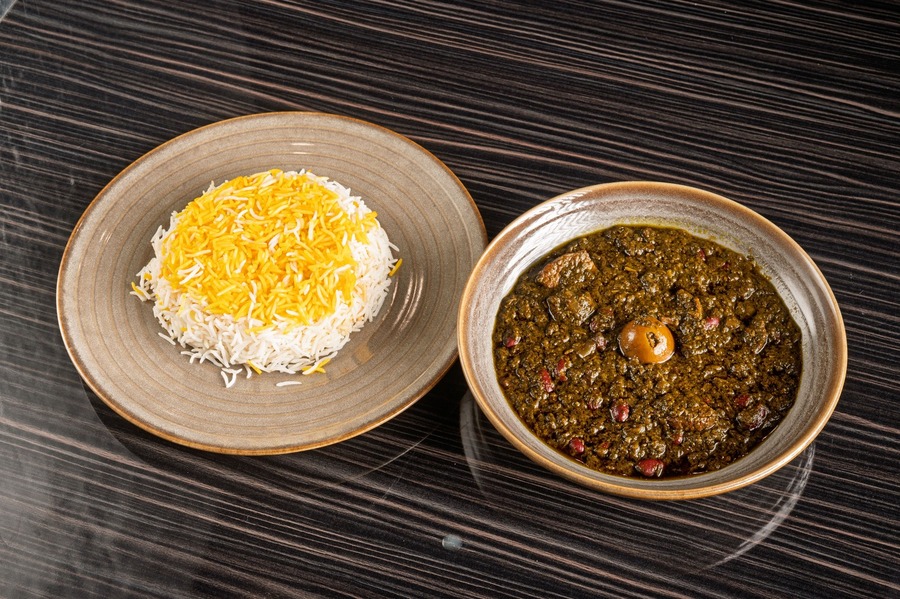
Ghormeh Sabzi
Something about this dish keeps folks coming back. Made using kidney beans, a mix of fresh herbs, followed by a squeeze of dried lime. Tangy hits first, then the deep savoriness follows. Flavor stands out, that is why many choose it again and again. Herbs take center stage here, giving it a character few stews match.
Fesenjan
Taste this. Richness fills every bite. Ground walnuts bring depth, while pomegranate molasses adds a tangy twist. Sweet meets sharp in layers. Each spoonful feels unique, somehow both bright and deep. Not quite like anything else. A tangy surprise hits first when you try the stew. Sourness comes alive through pomegranate molasses blended into the mix. Ground walnuts add depth behind that sharp flavor. What stands out is how the richness balances the bite. This dish lingers on the tongue differently than expected.
Zereshk Polo
This meal combines rice with barberries. Red tones come through, thanks to those tiny berries. Their tangy kick shapes how it tastes. Color spreads across the plate when they cook together.
Dolma
Stuffed vegetables such as grape leaves or peppers filled with rice, herbs, and meat.
These dishes highlight the diversity and complexity of Persian cuisine.
Persian Rice & Bread Culture
This dish gets its tangy kick plus vibrant red hue from rice teamed with barberries. In Persian cooking, rice shows up at nearly every table. Many see it not just as a side, but as the heart of the plate. How it's cooked and presented changes from home to home.
Now here's one way it turns out: golden rice, scented with saffron, shows up alongside green versions packed with fresh herbs. A different pot might hold grains tossed with chopped apples, dates, almonds. In many homes, cooking the rice means steaming it just right - soft on top, yet forming a crisp skin where the pan meets heat. That crunchy base has its own name, known by those who've tasted it after patient waiting.
Bread is another staple in Persian cuisine. Some common types include:
-
Lavash: Thin and soft flatbread
-
Barbari: Thick and slightly crispy bread
-
Sangak: Traditional stone-baked bread
Eating happens in groups most times. Close bonds grow when relatives sit at the same table. Not just fuel, Persian dishes carry stories through taste. Around plates, voices mix and laughter spreads. Sharing a meal means trading moments, not just bites.
Persian Kebabs and Grilled Dishes
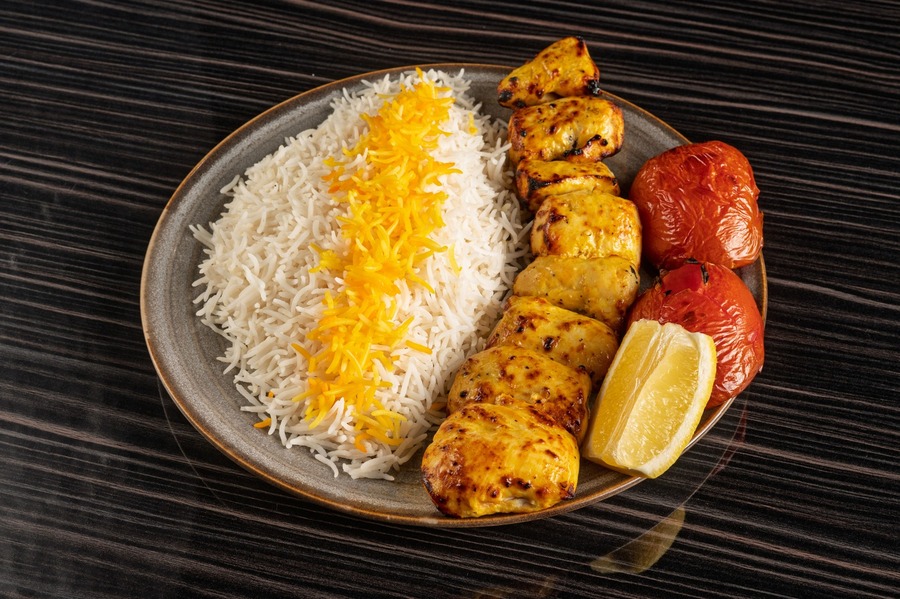
Kebabs are a cornerstone of Persian cuisine and are widely enjoyed around the world. They are typically made from marinated meat and cooked over an open flame.
Popular types of kebabs include:
-
Chicken kebab
-
Lamb kebab
-
Ground meat kebab (koobideh)
These dishes are often served with rice, grilled vegetables, and fresh herbs.
Persian kebabs are really good because of the way they are cooked. They are usually cooked over charcoal, which gives Persian kebabs a smoky taste. This is why Persian kebabs are a favorite in halal restaurants. In cities like Houston, people love grilled halal food, which is why Persian kebabs are in high demand and often considered among the best options when looking for Houston’s Best Kebabs.
Health Benefits of Persian Food
Persian food is considered one of the healthier cuisines due to its use of fresh and natural ingredients.
Some key health benefits include:
-
High in antioxidants due to fresh herbs
-
Balanced meals with protein, carbs, and fats
-
Lower use of processed ingredients
-
Rich in vitamins and minerals
Fresh veggies sit beside tender cuts of meat on many plates across Persia. Because grains appear in their whole form, meals carry steady energy. Think lentils next to chicken, served warm over brown rice. When flavors blend slowly, like saffron meeting carrots, balance follows. Meals feel full without weighing you down. You might find herbs taking center stage instead of salt. Each bite pulls from earthy ingredients that grow nearby. Simplicity shapes how dishes come together here. Nutrients stay high since processing stays low. What lands on the table often reflects seasons more than trends.
Persian Food vs Middle Eastern & Mediterranean Cuisine
| Aspect | Persian Cuisine | Middle Eastern Cuisine | Mediterranean Cuisine |
| Ingredients | Herbs, saffron, rice | Spices, meats, grains | Olive oil, vegetables |
| Cooking Style | Slow cooking, stews | Grilling, baking | Grilling, roasting |
| Flavor Profile | Sweet, sour, savory | Spicy, rich | Light, fresh |
| Spice Usage | Mild to moderate | Moderate to strong | Light |
Flavors dance together in ways you might not expect across Persian dishes. A wide range of components find their way into each meal, often layered without warning. Think Mediterranean coasts, think desert markets - yet this cuisine refuses to blend in. Even beside close neighbors on the plate, it holds its ground. Unmistakable in shape, scent, and taste, it carves space apart. Not imitation, never borrowed - it speaks in its own tongue through every bite.
Why Persian Cuisine Is Growing in Popularity
Persian cuisine is becoming increasingly popular worldwide due to several factors:
-
Global interest in diverse cuisines
-
Increasing demand for halal food options
-
Health-conscious eating trends
-
Social media exposure and food culture
In cities like Houston you can find lots of kinds of food. Persian food is becoming more popular there like Mediterranean and Middle Eastern food. People are starting to notice and enjoy food more. It is often grouped together with Mediterranean and Middle Eastern cuisine. These types of food are now widely available in cities, like Houston.
Tips for First-Time Tryers
If you are trying Persian food for the first time, here are some helpful tips:
-
Start with popular dishes like kebabs or Ghormeh Sabzi
-
Try rice dishes with different stews
-
Pair food with yogurt or fresh herbs
-
Eat slowly and enjoy the flavors
-
Share dishes in a group for a traditional experience
Persian meals are often served family-style, so sharing is a big part of the experience.
Conclusion
Taste meets story in every bite of Persian cooking. Not just meals, but echoes of ancient lands come alive on your plate. Rice steams with fragrance, while slow-cooked stews bring deep warmth without shouting for attention. Grilled meats arrive charred lightly, speaking more through scent than salt. More people now reach for these flavors far beyond their origin, often discovering them through a persian restaurant houston. Cities like Houston offer doorways into authenticity, where halal kitchens honor old methods. You might wander looking for Mediterranean fare there, yet find yourself drawn elsewhere. Middle Eastern menus pop up often, yes - still, some stand apart quietly. This isn’t trend-driven eating. It rewards those who pause long enough to notice layered herbs and patient spicing. Worth tasting? Without question.
 Omojet