


.png)
📌 Key Takeaways
Persian cuisine combines centuries of tradition, fresh ingredients, balanced flavors, and warm hospitality. The blog explores popular dishes such as Beef Koobideh, Ghormeh Sabzi, Zereshk Polo, and Baghali Polo, while highlighting the importance of saffron, herbs, rice, and slow cooking. It also explains the similarities and differences between Persian and Mediterranean cuisines, emphasizing Persian food’s unique ingredients and cultural heritage. For those seeking an authentic persian restaurant houston experience, Aban Persian Restaurant offers traditional recipes made with quality ingredients and time-honored cooking techniques.
Persian cuisine combines centuries of tradition, fresh ingredients, and balanced flavors to create memorable dishes that bring people together. Signature meals like Beef Koobideh, Ghormeh Sabzi, Zereshk Polo, and Baghali Polo showcase the rich culinary heritage of Iran. Known for fragrant saffron, fresh herbs, perfectly steamed rice, and warm hospitality, Persian food offers a unique dining experience. For those looking for a persian restaurant houston locals recommend, Aban Persian Restaurant offers authentic Persian recipes prepared with traditional techniques and premium ingredients.
Persian cuisine is more than just recipes; it has deep roots tied to families, traditions, and holidays. Its rich history helps explain why people worldwide love it.
Persian cuisine stands out for its balanced flavors. Meats pair well with herbs. Desserts are sweet yet have a hint of sourness. Rice and crispy vegetables complement each other perfectly. According to Wikipedia, Iran produces around 90% of the world's saffron, the signature spice of Persian cuisine, which is why saffron is deeply woven into traditional Persian rice dishes, stews, and desserts.
Persian dishes require time for cooking; therefore, they are not just meals but real works of art that are meant to be appreciated as something special. Hospitality is an essential component of Persian culture, which can be noticed while enjoying the dishes in Aban Persian Restaurant. If you’re curious about Persian cuisine, keep reading.
Popular Persian Dishes You Should Try
Every cuisine has signature dishes that define its identity. Persian cuisine offers many memorable choices. Some of them are rich and hearty, while others are light and fresh. Together, they create an exciting dining experience, which you definitely shouldn’t miss.
The following are a few dishes that make the events and special occasions even more special.
Beef Koobideh
Koobideh beef is a popular dish in Persian culture. It uses seasoned beef, grilled on skewers over an open fire.
You can enjoy it with fluffy basmati rice, grilled tomatoes, and fresh herbs. It's often a favorite for family meals and parties, adding to the authentic Persian experience.
Ghormeh Sabzi
Many Persians believe Ghormeh Sabzi is the heart of their home cooking. This stew features fresh herbs, meat, red beans, and dried limes.
These herbs provide freshness, while the dried limes make it bright but not too intense. Thus, the dish becomes rather rich but not heavy. It is commonly served with rice.
Zereshk Polo
Zereshk Polo makes the dining table colorful. White soft rice is accompanied by red barberries and aromatic saffron. The tart taste of the berries creates a balance with the rich taste of fried chicken. People use this dish for their celebrations, as it looks very festive and not too complicated for regular meals.
Baghali Polo
Baghali Polo offers another side of Persian rice dishes. Fresh dill and tender fava beans blend with fragrant rice to create a refreshing flavor.
Many families serve it alongside slow-cooked lamb during holidays and gatherings. The fresh herbs keep the meal light while the meat adds richness.
Patience, freshness of the products, and proper cooking are needed for each of these dishes; therefore, Persian cuisine is amazing. Guests who would like to taste something tasty from the Persian cuisine will be able to see many dishes offered at Aban Persian Restaurant.
Key Characteristics of Persian Cuisine
Persian cuisine has stayed popular for centuries because it follows a simple idea. Every ingredient should work together. No single flavor should take over the meal. Sweet, sour, fresh, and savory notes all have a place on the plate.
One of the first things that attracts people is its smell. Saffron, spices, garlic, onions, and slow-cooked meat make it unique and attractive for customers.
Fresh herbs play a significant role in the meals prepared every day. Herbs such as parsley, cilantro, dill, mint, basil, and green onions are used in salads, stews, rice dishes, and even side dishes. The Persians do not use hot peppers but add various herbs and spices.
Saffron is still considered to be the most precious spice. Each saffron thread is made of the flower of the saffron crocus. This is why saffron is called the red gold. It is enough to put just a little amount of this spice to give the dishes such a bright color and floral smell.
Rice is another essential ingredient of Persian cuisine. The preparation of rice is rather time-consuming for chefs. First, the rice needs to be boiled and drained, then steamed very slowly. The result is that the grains remain soft but separate from one another.
There is also a special importance attached to the crispness of the bottom layer of the dish. It is the crispness that people enjoy and can never ignore when they enjoy tasty Persian dishes.
The Persian food also maintains a balance among the ingredients used in the dishes. Walnuts that have a rich flavor are balanced by the sour taste of the pomegranates. Slow-cooked meat that has a rich taste is balanced by the sour taste of dried limes.
Presentation plays an equally vital role as does flavor. Fresh green herbs, yellow saffron rice, deep red barberries, white yogurt, and colorful vegetables create an attractive appearance on any table. Food looks as enticing as it tastes.
Hospitality is at the core of Persian culture. A meal is never cooked for just those guests who will be attending. More food than required is always cooked in order to treat all the guests hospitably and to honor them.
A traditional meal brings people together. Several different types of dishes are served in order to let the family and guests enjoy the different kinds of flavors. This leads to prolonged conversations and lots of laughter.
This careful consideration explains why most Persian meals are quite well-balanced. In every dish there is a protein product, some vegetables, fresh herbs, rice, and some yogurt.
If you do not wish to travel far away from your home just to taste this traditional food, you can go to Aban Persian Restaurant. All the dishes here embody all the best traditions of Persian cuisine and its philosophy of cooking. Try the authentic recipes with fresh products here!
Is Persian Food Mediterranean?
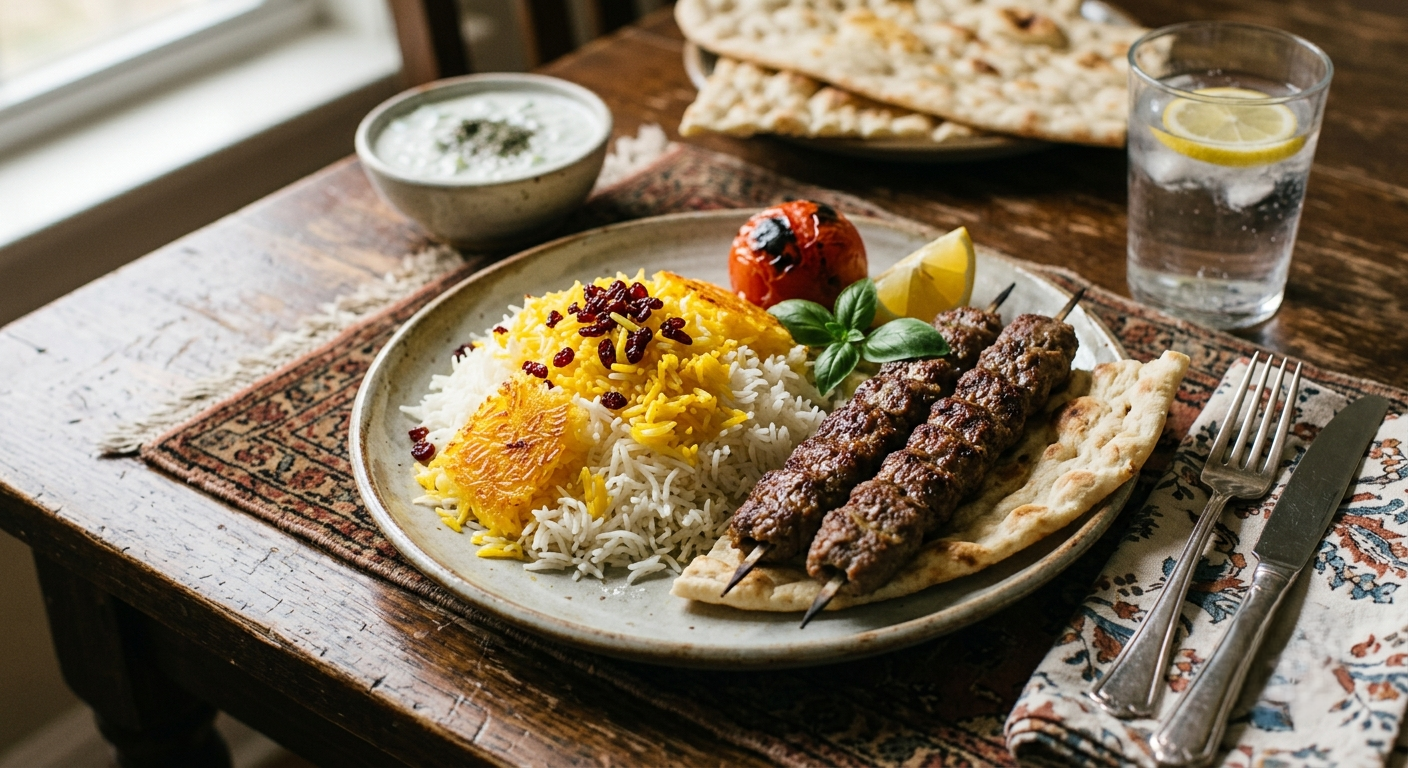
One may be curious as to whether Persian food can fit into the Mediterranean diet. This is both an affirmative and a negative answer at the same time.
These are some of the similarities between the two types of foods. In both cuisines, fresh vegetables, herbs, olive oil, beans, yogurt, and grilling of meat are included. The food is made up of fresh ingredients rather than highly processed ones. These similarities make it easy for people who like Mediterranean cuisine to prepare Persian cuisine.
The differences become clear after the first few bites.
The dishes that are made in Persia have several distinctive features that are provided by their ingredients. First, the dried limes give the specific flavor that cannot be created using fresh lemons. Pomegranate is used in many stews, not only in desserts. Finally, walnuts enable the creation of sauces without cream.
Rice also plays a larger role in Persian cooking. The careful steaming method creates fluffy grains. This technique has become one of the defining features of Persian cuisine.
Spices follow a different path as well. Mediterranean cuisine pays attention to the use of oregano, thyme, rosemary, and basil, while in Persian cuisine, such spices as saffron, turmeric, cardamom, cinnamon, and sumac are mainly used. The meals are not hot, and they have some layers of flavor.
Persian cuisine doesn't use many spices. Instead, it offers deep taste thanks to a long cooking time, the use of aromatic herbs, and a well-balanced combination of various elements.
If you're looking for a Mediterranean restaurant near me, you'll find similarities in fresh ingredients and healthy cooking. However, Persian cuisine stands apart with its thousand-year-old heritage, distinctive flavors, and time-honored recipes shaped by centuries of cultural influence.
Conclusion: Explore the Authentic World of Persian Cuisine
Persian cuisine is one of the unique culinary cultures of the whole world. The combination of its historical roots, its culture, fresh ingredients, and proper cooking attracts people of all generations.
Every recipe tells a story. Herb stew is made out of patience. Saffron rice is an example of skillful art. Persian cuisine is also a confirmation of the fact that tasty food does not have to be complicated in its cooking. Tasty dishes need fresh herbs, good spices, healthy ingredients, and some skills in their cooking to become a great dish.
Discovering Persian cuisine is more than trying something new. It’s an opportunity to experience a culture built on hospitality, family, and exceptional food. A great Mediterranean restaurant Houston experience combines fresh ingredients, traditional recipes, and unforgettable flavors.
Aban Persian restaurant gives everyone interested in authentic Persian cuisine a chance to try it. Every dish in our restaurant represents Persian culinary heritage. Come visit us to taste it.
Delve into timeless recipes that continue to delight food lovers around the world!
 Omojet