


📌 Key Takeaways
Middle Eastern cuisine offers a flavorful combination of fresh ingredients, aromatic spices, traditional cooking techniques, and rich cultural traditions. Houston’s diverse food scene provides opportunities to enjoy authentic Persian, Lebanese, Turkish, and Syrian dishes. Popular choices include hummus, falafel, kebabs, saffron rice, traditional stews, and Persian sweets. The cuisine also offers nutritious options through vegetables, legumes, olive oil, lean meats, and grilled dishes. For a better dining experience, try sharing small plates, exploring vegetarian options, asking about spice levels, and pairing meals with traditional drinks.
Houston has long been celebrated as a melting pot of cultures, and its food scene is a testament to this diversity. From classic barbecue to international flavors, the city offers culinary experiences for every taste. Among these global influences, Middle Eastern cuisine has carved a special place in the hearts of Houstonians. Characterized by rich flavors, aromatic spices, and wholesome ingredients, Middle Eastern food is gaining popularity not just for its taste but also for its health benefits.
Aban Persian Restaurant, known for its traditional Persian dishes, warm ambiance, and dedication to authentic flavors.
This guide explores everything you need to know about Middle Eastern cuisine in Houston—from its origins and health benefits to must-try dishes and dining experiences.
What is Middle Eastern Cuisine?
Middle Eastern cuisine is a term used to describe the diverse culinary traditions of countries in the Middle East, including Iran, Lebanon, Israel, Turkey, Syria, and more. Its core philosophy revolves around fresh, seasonal ingredients, vibrant spices, and balanced flavors.
Common ingredients include:
-
Olive oil, sesame seeds, and nuts
-
Fresh herbs like parsley, mint, and cilantro
-
Legumes such as lentils, chickpeas, and beans
-
Grains including rice, bulgur, and couscous
-
Aromatic spices: cumin, saffron, sumac, and cinnamon
Signature dishes reflect the region’s diversity. For example:
-
Hummus and baba ganoush are staples across many countries.
-
Kebabs showcase grilled meats seasoned with unique spice blends.
-
Tabbouleh and fattoush highlight fresh vegetables and herbs.
-
Baklava and Persian sweets satisfy the sweet tooth with layers of nuts and syrup.
Middle Eastern cuisine is not only flavorful but also nutritionally balanced. The use of fresh vegetables, legumes, olive oil, and lean meats contributes to a healthy diet, making it an attractive option for health-conscious diners.
Middle Eastern Food in Houston
Houston’s culinary scene is enriched by a growing number of Middle Eastern restaurants, each bringing authentic flavors to the city. The popularity of these restaurants can be attributed to several factors:
-
Cultural diversity: Houston is home to vibrant immigrant communities, bringing authentic recipes and culinary traditions.
-
Growing foodie culture: Houstonians are adventurous eaters who enjoy trying new flavors and cuisines.
-
Health-conscious dining: Middle Eastern food often emphasizes vegetables, legumes, and lean proteins, appealing to those seeking nutritious options.
From a persian restaurant houston to Lebanese bakeries, Houston offers a broad spectrum of experiences. Aban Persian Restaurant exemplifies this trend, providing dishes like saffron rice, kebabs, and traditional Persian stews that capture the essence of Middle Eastern cuisine.
Why Try Middle Eastern Food?
Middle Eastern food is not just about eating—it’s about experiencing a culture. Here’s why food lovers should explore it:
-
Unique flavors: A blend of spices like sumac, saffron, and cinnamon creates complex, memorable tastes.
-
Variety: There’s something for everyone—vegetarian, vegan, and meat-based options coexist beautifully.
-
Balanced nutrition: Dishes often include proteins, healthy fats, and fiber-rich vegetables.
-
Social experience: Many Middle Eastern meals are designed to be shared, enhancing the communal dining experience.
-
Cultural insight: Tasting these dishes provides a window into the history, geography, and traditions of the region.
Trying Middle Eastern cuisine in Houston allows diners to experience a culinary journey without leaving the city.
Is Middle Eastern Food Healthy?
Many people wonder whether Middle Eastern cuisine is healthy, and the answer is generally yes. The cuisine emphasizes fresh, minimally processed ingredients, which makes it nutritious.
Key points include:
-
Olive oil: A staple in Middle Eastern cooking, olive oil is a heart-healthy fat.
-
Legumes: Lentils, chickpeas, and beans are rich in protein and fiber.
-
Vegetables: Salads, roasted vegetables, and dips contribute vitamins and antioxidants.
-
Grilled meats: Kebabs and other grilled proteins are lower in fat compared to fried foods.
Compared to heavily processed fast food, Middle Eastern cuisine offers a balanced and wholesome alternative, making it appealing to health-conscious Houstonians.
Popular Dishes to Try at Middle Eastern Restaurants
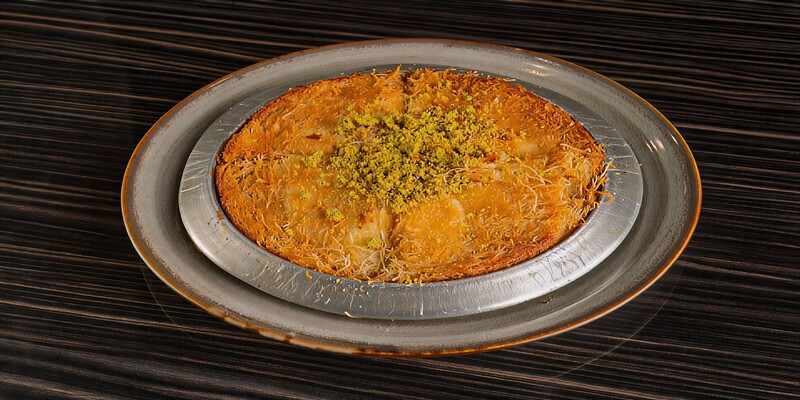
Here’s a closer look at dishes that are must-tries in Houston’s Middle Eastern restaurants:
Appetizers:
-
Hummus: Creamy chickpea dip often served with olive oil and warm bread.
-
Falafel: Deep-fried chickpea patties, crispy on the outside and tender inside.
Main Courses:
-
Kebabs: Juicy skewers of marinated lamb, chicken, or beef grilled to perfection.
-
Persian rice dishes: Saffron-infused rice, often served with stews or meats.
-
Stews: Rich, slow-cooked dishes like Ghormeh Sabzi and Fesenjan offer layers of flavor.
Desserts:
-
Baklava: Layered pastry with nuts and syrup.
-
Persian sweets: Rosewater-infused treats or saffron ice cream.
Restaurants like Aban Persian Restaurant highlight the importance of authenticity, offering these dishes prepared with traditional techniques.
Expanding on Middle Eastern Ingredients and Flavors
One of the reasons Middle Eastern cuisine captivates food lovers is the richness and variety of its ingredients. Unlike cuisines that rely heavily on a few spices, Middle Eastern dishes combine herbs, spices, nuts, and fruits to create multi-layered flavors. Ingredients like sumac add a tangy zest to salads, while saffron infuses rice and desserts with a fragrant aroma and golden hue. Pistachios, almonds, and walnuts are used not only in desserts but also in savory dishes, giving them texture and richness.
Vegetables play a key role, with staples such as eggplants, zucchini, tomatoes, and cucumbers forming the backbone of many recipes. Fresh herbs like parsley, mint, and dill bring brightness and balance to meals. Even simple dishes like tabbouleh—a salad made with parsley, tomatoes, bulgur, and lemon juice—showcase how freshness and minimal seasoning can produce bold flavors.
Cooking Techniques that Define Middle Eastern Cuisine
Middle Eastern cooking is as much about technique as it is about ingredients. Grilling, roasting, and slow-cooking are common methods that enhance flavors without heavy reliance on fats. Kebabs are often marinated overnight in a mixture of spices and herbs, allowing the meat to absorb deep, complex flavors before being grilled over an open flame.
Stews and rice dishes, such as Ghormeh Sabzi or Persian Tahchin, often require hours of slow cooking, which develops rich layers of taste and tender textures. Even seemingly simple dips like hummus involve careful preparation to balance texture, seasoning, and flavor. These traditional methods distinguish Middle Eastern cuisine from fast or convenience foods, making it both authentic and satisfying.
Cultural and Social Significance
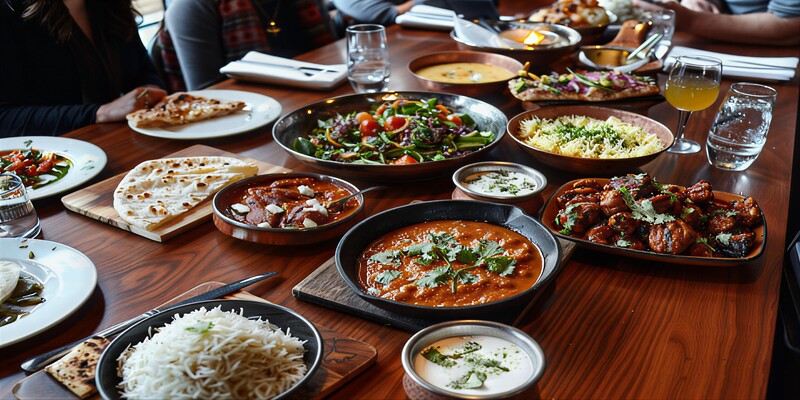
Food in the Middle East is deeply tied to culture and social gatherings. Sharing meals is central to family life, and many dishes are served family-style, encouraging diners to enjoy multiple flavors together. In Houston, Middle Eastern restaurants replicate this communal experience, allowing visitors to sit together over platters of hummus, freshly baked flatbread, grilled meats, and colorful salads.
Restaurants like Aban Persian Restaurant provide more than just meals—they offer a cultural experience. From the elegant table settings to the aroma of spices, diners get a glimpse of Persian hospitality and tradition. This cultural immersion is part of what makes Middle Eastern restaurants in Houston increasingly popular among locals and food enthusiasts alike.
Seasonal and Health-Conscious Dining
Another remarkable aspect of Middle Eastern cuisine is its seasonal approach to ingredients. Many recipes prioritize local and fresh produce, making meals nutritious and aligned with natural flavors. Using olive oil as the primary fat source, lean proteins like lamb and chicken, and fiber-rich legumes ensures a balanced, wholesome diet.
For health-conscious diners in Houston, this makes Middle Eastern food an appealing choice. From the antioxidant-rich pomegranate juice to grilled fish and vegetable-packed stews, the cuisine supports both flavor and wellness. It’s no surprise that many people are discovering that Middle Eastern food is not just tasty but also healthy.
Adding Depth to Houston’s Middle Eastern Food Scene
Houston’s diversity has allowed Middle Eastern cuisine to thrive in various forms, from casual eateries to a mediterranean restaurant houston. Exploring different neighborhoods, one can find Persian, Lebanese, Turkish, and Syrian restaurants, each with its own twist on classic dishes. This variety ensures that food lovers can experience different interpretations of Middle Eastern cuisine without leaving the city.
Moreover, many Houston restaurants now cater to dietary preferences such as vegetarian, vegan, and gluten-free options, making Middle Eastern cuisine accessible to everyone. This inclusivity is helping the cuisine grow in popularity, making it not just a niche choice but a mainstream dining experience in Houston.
Tips for Experiencing Middle Eastern Cuisine
For those new to Middle Eastern food, here are some tips to enhance your experience:
-
Start with small plates: Sample a variety of dips and appetizers to get a taste of different flavors.
-
Ask about spice levels: Dishes vary in spiciness; servers can guide you to your preferred level.
-
Share meals: Middle Eastern dining emphasizes communal eating, making sharing a fun and authentic experience.
-
Explore vegetarian options: Many dishes are naturally vegetarian or vegan.
-
Pair food with traditional drinks: Mint tea, ayran, or fresh juices complement meals beautifully.
Conclusion
Middle Eastern cuisine offers more than just food—it is a cultural experience, a healthful option, and a delicious adventure for any food lover. Houston’s vibrant food scene provides countless opportunities to explore these authentic flavors, with restaurants like Aban Persian Restaurant standing out for their dedication to tradition and quality.
From creamy hummus to fragrant saffron rice, the city’s Middle Eastern eateries deliver a culinary journey that appeals to both taste buds and the heart. For those seeking to explore something new, flavorful, and nourishing, trying Middle Eastern cuisine in Houston is an experience not to be missed.
 Omojet