

.png)
📌 Key Takeaways
Halal food derives from a particular set of dietary laws relating to sourcing, slaughtering and preparation. The city offers a broad range of halal options specialising in different Middle Eastern, South Asian and Persian cuisines. The best of them are united by a degree of openness about the source of their ingredients and a high standard of quality across subsequent visits. Aban delivers on both of these areas, with its Persian-inspired dishes including kabobs, saffron rice and herb-based stews being particularly noteworthy.
Halal food in Houston is more diverse than one expects. It is also important to note that the designation “halal-friendly” does not always mean what the guest expects it to mean. It implies strict rules regarding the sourcing, processing, and butchering of permissible foods. The variety of halal places in Houston is particularly good for Middle Eastern, South Asian, and Persian cuisine. However, there are places to visit more often because they provide the most value with the most consistent quality over time.
Aban Persian Restaurant is one such place because the restaurant’s menu of Persian specialties, including kabobs, saffron rice, and herb soups, is worth the drive alone.
What Is Halal Food?
Halal is an Arabic word meaning "permissible." Applied to food, it covers how an animal is raised, slaughtered, and handled afterward.
The Slaughter Process
The slaughter itself has to follow a specific method, with a blessing spoken at the time. Pork is out completely, and so is anything made from it, which trips people up more than you'd think - gelatin, certain broths, some marshmallows even.
No Alcohol as an Ingredient
Alcohol can't be used in cooking either. Not just as a drink on the side. If a sauce gets deglazed with wine, that dish isn't halal anymore, full stop.
Cross-Contamination Is the Real Test
Here's what most people miss, though: cross-contamination. A kitchen can source perfectly halal lamb and still ruin it by grilling that lamb on the same surface as regular bacon an hour earlier. I've asked restaurant owners about this directly, and the good ones don't flinch. They'll walk you through their prep line without being asked twice. The ones who get cagey about it? That tells you something too.
Certification Isn't One-Size-Fits-All
The issue with halal certification is that it should not be taken as one standard, because there are different certification organizations and many restaurants that are able to self-certify through suppliers, so it is important to understand what method of certification is preferred by the venue.
It's Not Just About Meat
Popular Types of Halal Cuisine in Houston
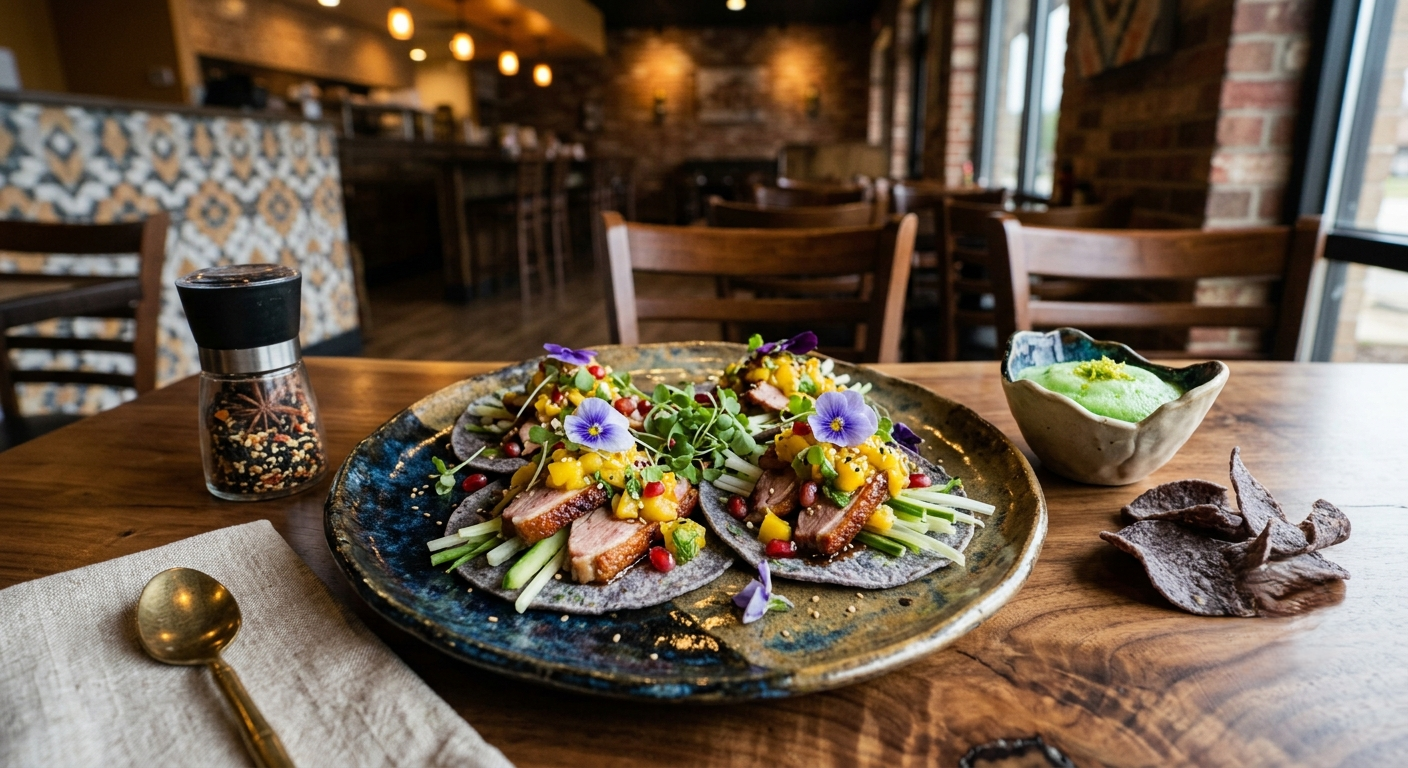
Houston doesn't really do "one type" of anything, food-wise, and halal dining reflects that completely. You can find a Pakistani biryani spot two blocks from a Lebanese shawarma counter, which sits a short drive from a Turkish kebab house that's been open since the '90s. That's the upside of living somewhere this size. You don't need a plane ticket to eat your way across three continents.
Middle Eastern Staples
Shawarma, hummus, and grilled kebabs are dishes found at every other halal eatery in the city; they’re portable, popular, and require a smaller kitchen to prepare. But there’s always a difference between good and great shawarma, and it’s often in the marinade’s aging process and whether the pita was freshly baked that day or tossed in a bin with 100 other frozen loaves from a factory at the back. Never go to a place that skimps on either.
South Asian Flavors
Biryani deserves its own section, no exaggeration. Houston's Pakistani and Indian halal restaurants take this dish seriously, layering rice, whole spices, and slow-cooked meat in a process that genuinely takes hours to do right. If a place hands you biryani in under twenty minutes flat, something got cut short somewhere in that process, and you can usually taste it.
Persian Cuisine
This is where Aban comes into the picture. Persian food gets left off most "best halal restaurants Houston" lists, which is honestly a little baffling, because it's some of the most balanced, herb-heavy cooking around. Saffron rice with a crisped bottom layer, grilled meats with a bright citrus edge, slow stews like ghormeh sabzi that take real patience to get right. It's not flashy food. It's just really, really good.
Best Halal Food Restaurants in Houston: What to Look For
Before naming a specific place, it's worth knowing what separates a solid halal restaurant from one that's just coasting on the label. After years of covering restaurants - and eating more forgettable meals than I'd like to admit in the process - a few things keep coming up.
Sourcing Transparency
The best halal restaurants in Houston don't get weird or defensive when you ask about their meat. They tell you where it comes from, sometimes in more detail than you asked for. That's a good sign, not an annoying one.
Consistency, Not Just a Good Night
Anyone can nail a dish once. The restaurants that matter make the biryani taste the same on a slow Tuesday as it does on a packed Saturday night. That kind of reliability comes from real standards in the kitchen, which is what you can expect from a quality Middle Eastern restaurant in Houston.
Halal as the Point, Not an Afterthought
This one's underrated: whether halal feels like the point of the menu or a small note bolted onto a regular one. Some places treat it as an afterthought at the bottom of the menu. The better ones build their whole identity around it, and you can taste the difference in how much care goes into every plate.
Why Aban Persian Restaurant Is Worth Visiting for Halal Food
Aban earned its reputation the slow way - word of mouth, repeat customers, and dishes people keep coming back for. Every protein on the menu is halal, sourced with the same care a Persian grandmother would bring to her own kitchen. There's no gray area about what's on your plate, which already puts it ahead of a lot of competitors around town.
The food backs it up, too. The kabobs get grilled over open flame, which gives them a smoky char that's genuinely hard to fake with a regular grill top. The rice comes out fluffy, never gummy, with saffron that flavors it without overpowering everything else. Even the bread shows up warm, which sounds minor until you've had it cold somewhere else and realized how much that matters.
The room itself fits the food. It's warm without being precious about it - the kind of place where families sit around after the meal, drinking tea, in no rush to leave. If you're planning an event, Aban also handles halal catering Houston, which takes a lot of the guesswork out of hosting when your guest list has real dietary needs.
What Persian Dishes Should First-Time Visitors Try at Aban
Start with joojeh kabob if you want something approachable - grilled chicken in a bright, citrus-heavy marinade that gives you a good feel for how Persian seasoning works without throwing too much at you at once. From there, move to koobideh kabob, made from seasoned ground beef and lamb, for something richer and more savory.
If you're up for it, order a stew. Ghormeh sabzi - a slow-cooked herb stew with kidney beans and dried lime - looks unfamiliar to a lot of first-timers, and I get the hesitation. The color throws people off. But it's one of those dishes that changes your mind after one spoonful, and most people end up ordering it again on their next visit.
Conclusion: Your Guide to Halal Dining in Houston
Houston's halal food scene has room for basically everyone, from a quick shawarma lunch to a slow, multi-course Persian dinner that takes up your whole evening. The trick is knowing what to ask and where to look, instead of trusting the first sign that says halal in the window. Aban stands out because halal isn't a side note there - it's the whole point - and the food is good enough to back that up on its own. If you haven't been yet, it's worth the drive.
 Omojet