


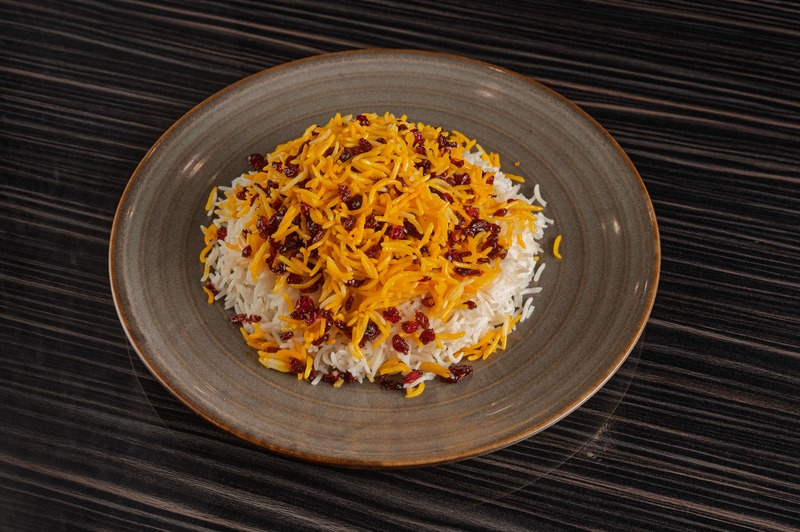
📌 Key Takeaways
Zereshk Polo combines fluffy saffron basmati rice, tender chicken, and tart barberries to create one of the most distinctive Persian dishes. The article explains the importance of quality ingredients, properly blooming saffron, preparing the barberries, cooking tender chicken, and achieving crisp Tahdig. It also provides practical cooking tips for balancing the dish’s sweet, sour, and savory flavors. For readers who prefer dining out or catering, both persian restaurant houston and mediterranean restaurant houston are natural fits within the article’s Houston dining context.
Only a few things are as satisfying as a perfectly cooked Zereshk Polo. You have golden saffron rice and a tender, slow-cooked chicken. Then there are the barberries, tiny red berries with a sharp flavor.
It's a flavor profile that refuses to get bland. Whenever a craving strikes, you can head straight to Aban. It's without a doubt the best persian restaurant houston. Their tahdig is always perfectly crisp and never burns. However, sometimes you want that kitchen-filling aroma in your own home. Making this at home isn't complicated.
It requires patience and high-quality spices. That brings us to the secret: properly bloom your saffron. Don't rush it. Sweet, sharp, and savory flavors are all authentically balanced in this recipe. On a platter, it's a work of art. Now let's get cooking.
Crucial Components of the Zereshk Polo Recipe
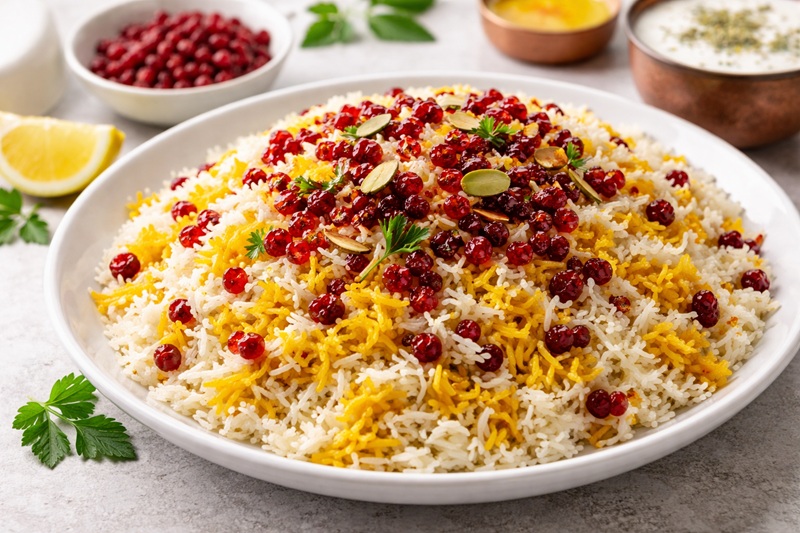
To make the perfect Zereshk Polo, a Persian food, a grocery list is insufficient. The proper chemistry is required. The majority of people believe that Persian cooking consists solely of heat and salt. It isn't. It's about the conflict between floral saffron and tart berries.
You'll notice that the ingredients aren't just thrown in. They have layers. A dull bowl of rice can be transformed into a colorful masterpiece that epitomizes upscale Mediterranean catering in Houston if these elements are done correctly.
The Rice
Basmati is the core. You want long, slender grains that won't turn into a sticky mixture. Wash it until the water runs clear. Seriously, don’t skip that part. The goal is to separate grains that stand tall. It’s the base for everything else, providing that essential, fluffy foundation for the meal.
The Protein
Chicken legs and thighs are the best option. The slow-simmered heat causes white meat to dry out too quickly. You want a texture that is luscious and falls off the bone. The savory depth achieved by the chicken cooking in its own juices skillfully balances the sharp flavor of the barberry garnish.
The Main Ingredient
Zereshk, or barberries, are little blasts of flavor. They are very sour and look like a blend between a cranberry and a currant. Because tiny berries might occasionally conceal themselves in the bag, you must carefully pick through them. Sauté them in butter for a short while. They plump up and glow on the dish after that brief heat blast.
Spices and Aromatics
Saffron is the soul here. Grind the threads with some sugar before blooming them in hot water. Although it's expensive, a small amount goes a long way. The earthy warmth of turmeric and the enigmatic, aromatic backbeat of cinnamon make the kitchen smell like a dream.
Sweetener
A tablespoon of sugar is required. Without it, the barberries are just too strong. You're not making dessert, though. The sugar simply reduces the wild tanginess of the fruit, creating a subtle sweet-and-sour flavor. It helps the berries caramelize slightly in the pan, giving them a beautiful, glossy finish.
Vegetables
Garlic and onions supply the fragrant base, but tomato paste is crucial. After being fried in oil, the paste should be a rich red color. This gets rid of the raw metallic taste and creates a rich, thick sauce. That strong "umami" punch holds the rice and chicken together.
Step-by-Step Cooking Instructions
It takes patience and a good flame to master the Persian dish Zereshk Polo. It's timing and heat intensity. The method is still sacred whether you're ordering Mediterranean catering for a party or dining at a Mediterranean restaurant Houston. You want each grain of rice to be distinct and never soft. It's about the rich, buttery saffron being hit by that particular, sharp tang.
-
Step 1: Sort your berries carefully. Tiny stones hide in there. Soak them, then hit a hot pan with butter and sugar. They’ll plump up and glow like tiny, juicy berries.
-
Step 2: Use a sugar cube to grind your saffron strands. Add hot water or an ice cube. The result of this blooming is a rich, crimson liquid with a scent reminiscent of Persian nobility.
-
Step 3: Cook the chicken until the skin turns golden. Heat it in a tomato broth with a lot of turmeric. Finally, add a dash of saffron. The meat needs to be nearly crumbled.
-
Step 4: Boil the basmati in salty water until it's cooked. Drain it. Layer it back in the pot with oil to build that desired, crunchy tahdig layer at the bottom.
-
Step 5: Scoop out a few cups of cooked rice. Toss them with your saffron water and those sautéed barberries. This creates the vibrant, yellow-and-red berries that make the dish pop visually.
-
Step 6: Pile the white rice high on a platter. Shower the saffron-berry mix over the top. Serve the saucy chicken on the side. It’s a feast that looks like a painting.
Pro Tips for Success
It takes skill and a little culinary intuition to create the ideal Zereshk Polo Persian food. Temperature and time are equally important in following instructions. These small elements characterize the dish, whether you're ordering Mediterranean catering in Houston or dining at a Mediterranean restaurant. The majority of home cooks rush it. Don't. Patience makes the chicken tender and the rice glow.
-
Don't Burn the Barberries: These berries are finicky. Sauté them for mere seconds in butter and sugar until they plump up. If they turn dark or bitter, you’ve gone too far. Toss them immediately.
-
The "Soohan" Method: You want that deep, sunset-orange hue. Mix bloomed saffron with a scoop of yogurt and rice for the bottom layer. It creates a crunch that’s richer than standard golden crusts.
-
Chicken Tenderness: Use a tight-fitting lid to trap every drop of steam. I usually put a clean kitchen towel under the lid to seal it. It keeps the thighs juicy, never dry.
Conclusion
A symbol of Persian cultural beauty is zereshk polo, a Persian food. The tangy snap of the berries and the fragrant warmth of the saffron give each bite a unique flavor. It requires patience to master at home, but the payoff is a vibrant masterpiece that permanently destroys ordinary rice dishes.
If you want to enjoy the feast without having to do any preparation, Aban is the place to go. As one of the top mediterranean restaurant houston, it's tahdig is renowned, and its saffron chicken is unmatched. They also offer Mediterranean catering in Houston for those occasions when you want to add these authentic barberries to your own event. Whether you order it or cook it yourself, this dish is a must-try.
 Omojet