


📌 Key Takeaways
Persian chicken kabobs, especially Joojeh Kabob, combine tender grilled chicken with saffron, yogurt, lemon, onion, and simple seasonings to create a flavorful and culturally significant dish. The article covers different types of chicken kabobs, traditional marinades and grilling methods, their nutritional benefits, popular side dishes, and their importance in Persian gatherings. It also highlights Houston’s Persian dining scene, making persian restaurant houston a very natural keyword fit. mediterranean restaurant houston would not be a natural fit here because the article focuses specifically on Persian and Middle Eastern chicken kabobs rather than Mediterranean cuisine.
Grilled chunks of seasoned chicken take center stage on Persian dinner tables, appearing often in homes and restaurants throughout the Middle East. Out where flavors mix freely - like in Houston - finding real versions means tasting history on a skewer. Many people searching for chicken kabob near me are looking for authentic Persian flavors prepared the traditional way. When cravings lean toward honest meals that still burst with taste, these kebabs answer without flash or fuss. Spotting true-to-form bites might mean wandering past busy streets or small storefronts, yet each bite pulls you closer to tradition. Not every version hits right - but when it does, smoke, spice, and tender meat tell the whole story.
Chicken on sticks isn’t new, yet how people cook it keeps changing. One moment it’s flame-kissed meat over coals, next it’s marinated chunks beside colorful vegetables. Some call it street food, others see a backyard staple. Its roots stretch far, but cities like Houston give it fresh meaning. Each version tells a story - spiced differently, served warm, often shared without words. You find them sizzling at markets, cooked slow or fast, depending who's holding the skewer. Not every bite is the same, though most agree - they travel well across cultures.
Popularity in Middle Eastern and Persian Cuisine
Chicken kabobs hold a special place in Persian and Middle Eastern food culture. In Iran, kabobs are often served at family gatherings, weddings, and festive occasions.
Some reasons for their popularity include:
-
Rich flavor from traditional marinades
-
Simple yet healthy cooking methods
-
Versatility in preparation
-
Perfect pairing with rice, bread, and sides
Folks in places like Houston now crave Persian dishes more than before. Since eateries focused on Persian food appeared, real-deal kabobs reached new crowds. These spots turned grilled meats into go-to picks among city residents and guests alike.
Why Chicken Kabobs Are Loved Worldwide
Chicken kabobs are not just limited to Persian cuisine—they have become a global favorite. Here’s why people love them:
Types of Chicken Kabobs
Chicken kabobs come in several variations, each offering a unique taste and texture. Let’s explore the most popular types.
Traditional Persian Chicken Kabobs
Traditional Persian chicken kabobs, often called Joojeh Kabob, are the most authentic version.
Ingredients and Marinade Style
-
Chicken (bone-in or boneless)
-
Yogurt or lemon juice
-
Saffron (a key ingredient in Persian cuisine)
-
Onion
-
Olive oil
-
Salt and pepper
The chicken is marinated for several hours, allowing the flavors to deeply penetrate the meat. Saffron gives the kabobs a distinctive aroma and golden color.
Cooking Techniques
Traditional Persian kabobs are grilled over charcoal, which adds a smoky flavor. The grilling process is done carefully to ensure the chicken remains juicy and not overcooked.
Grilled Chicken Kabobs
Grilled chicken kabobs are a BBQ-style variation popular in many countries, including the U.S.
BBQ-Style Preparation
These kabobs are typically cooked on a gas or charcoal grill. The chicken is cut into cubes and skewered with vegetables like bell peppers, onions, and tomatoes.
Common Spices and Herbs
-
Garlic
-
Paprika
-
Cumin
-
Black pepper
-
Lemon zest
This version is widely available in kabob Houston, where chefs blend traditional and modern flavors.
Healthy Chicken Kabobs Options
Health-conscious individuals often prefer healthier versions of chicken kabobs.
Low-Fat Cooking Methods
-
Grilling instead of frying
-
Using lean chicken breast
-
Minimal oil in marinades
Lean Protein Benefits
Built strong? Chicken packs a lot of protein while staying low on fat. When keeping track matters, it slides easily into dishes made for busy, moving mornings.
Flavor steps forward in Persian cooking, even when nutrition leads the way. Not every cuisine manages fullness without relying on salt or spice, yet these recipes do. You might notice lentils or herbs playing big roles, quietly adding depth. Satisfaction arrives not through richness, but balance - something eaters of simple foods tend to appreciate. Even when modest, each dish carries a distinct presence. Taste stays central, never softened by health claims.
Why Chicken Kabobs Are a Healthy Choice
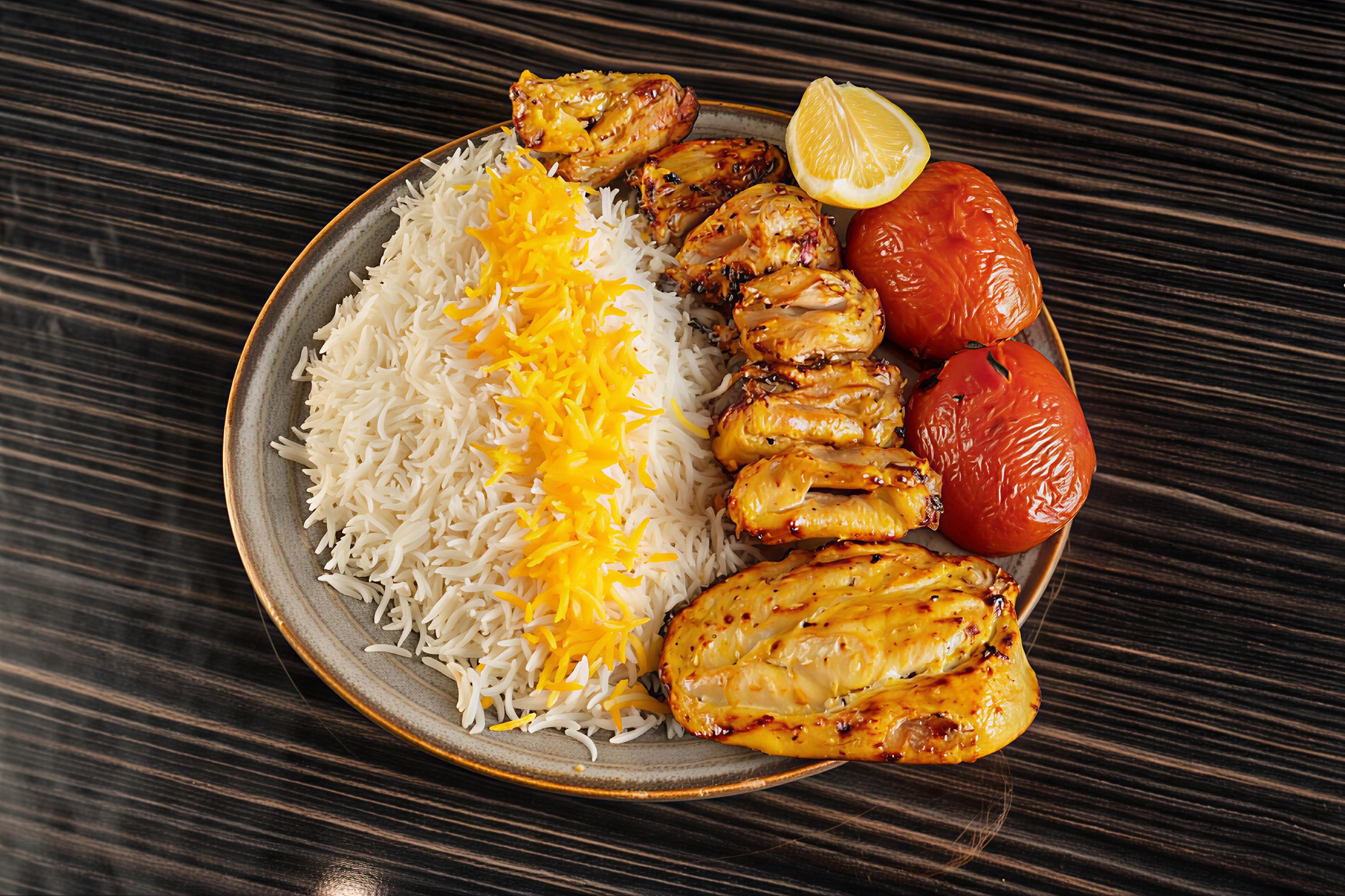
Chicken kabobs are considered one of the healthier food options, especially when prepared using traditional methods.
High Protein, Low Fat
Chicken is rich in protein, which is essential for:
-
Muscle growth
-
Tissue repair
-
Overall body function
Since kabobs are grilled, they contain less fat compared to fried foods.
Rich in Essential Nutrients
Chicken kabobs provide:
-
Vitamins (B6, B12)
-
Minerals like zinc and iron
-
Healthy fats (depending on marinade)
Comparison with Fried Foods
Unlike fried chicken, which is cooked in oil, kabobs are grilled. This reduces calorie intake and unhealthy fats.
Fit for Balanced Diets
Chicken kabobs can be easily included in a balanced diet. Pairing them with rice and vegetables creates a complete and nutritious meal.
Best Side Dishes with Chicken Kabobs
Chicken kabobs are best enjoyed with complementary side dishes that enhance their flavor.
Rice (Persian Saffron Rice)
One of the most popular pairings is Persian saffron rice, known for its golden color and rich aroma.
Fresh Salads
Salads like Shirazi salad (cucumber, tomato, onion) add freshness and balance to the meal.
Grilled Vegetables
Grilled peppers, zucchini, and tomatoes are commonly served alongside kabobs.
Sauces and Dips
Popular dips include:
-
Yogurt-based sauces
-
Garlic sauce
-
Herb-infused dips
These sides are widely available in many Iranian restaurant Houston locations, enhancing the overall dining experience.
Chicken Kabobs in Persian Cuisine
Chicken kabobs are deeply rooted in Persian culture and cuisine.
Role in Persian Food Culture
Kabobs are often considered the centerpiece of a meal at a Persian restaurant Houston. They represent hospitality and are commonly served during:
-
Family gatherings
-
Celebrations
-
Religious events
Differences Between Persian and Other Kabobs
Persian kabobs differ from other styles in several ways:
-
Use of saffron and yogurt in marinades
-
Simpler spice profiles
-
Focus on natural flavors rather than heavy seasoning
Traditional Serving Styles
Traditionally, kabobs are served with:
-
Rice topped with butter
-
Grilled tomatoes
-
Fresh herbs
-
Flatbread
This style is widely preserved in authentic Persian restaurants and is a major attraction for food lovers in Persian food Houston.
Conclusion
A single piece of chicken on a stick could whisper history, slow and steady. Try it - sour notes from sumac brush up against burnt tips, while soft morsels hold sharp drops of lemon tangled with onion. Simplicity rules here, yet warmth spreads fast, jumping fences from home patios to dusty market stalls. Fire ties it together, along with seeds ground long ago, moments stacked like coals. Quiet signs of health appear - strips of lean meat, fire glowing underneath, veggies lined up beside. Not rules that carry tradition forward, just doing things again and again, meals passed across tables, small actions copied without speaking. One place twists it one way, another gives it a different turn, still something in each feels like home even if you’ve never seen it before. Moments where flames touch food on thin rods speak louder than any written recipe ever could.
Everywhere on Earth, people keep coming back to these spiced skewers - some golden with saffron, others charred fresh today. Whether you search for chicken kabob near you or ask locals for recommendations, authentic Persian restaurants often offer the most memorable experience. Should you walk through Houston, one bite of real kabob at a local Iranian spot will tell you why it's worth the trip.
 Omojet