


📌 Key Takeaways
A good Middle Eastern Food Guide highlights the rich traditions, fresh ingredients, aromatic spices, and authentic cooking techniques that define the cuisine. Kabobs stand out for their smoky flavor, careful marination, quality meat, and charcoal grilling. Persian and Mediterranean cuisines also share ingredients such as olive oil, citrus, fresh herbs, and vegetables. Traditional sides like hummus, tabbouleh, saffron rice, pita, and sumac onions complete the dining experience. When choosing a restaurant, look for fresh ingredients, traditional preparation, charcoal grilling, and positive reviews mentioning juicy, tender kabobs.
Finding the perfect kabob often involves a journey through the rich, smoky flavors that distinguish Middle Eastern food.
Grilling meat over an open flame is extremely satisfying, whether you're a long-time fan of Persian cuisine or just want to try something different.
We believe that a great meal at a persian restaurant houston involves more than just spices.
Aban Persian Restaurant values tradition, high-quality ingredients, and friendly service.
We'll show you how to savor the delectable world of grilled foods, like juicy koobideh and tender barg kabob.
Finding the best restaurant in your area can be challenging, as we know, so we've put together some important tips to make sure your next meal is one you'll never forget.
Come celebrate the kabob, a timeless art form.
Exploring Middle Eastern Food: A Rich Culinary Tradition
When you start to learn about Middle Eastern food, you quickly realize that it is more than just a bunch of recipes; it is a history told through taste.
This way of cooking has been passed down through generations of cultural exchange. Bright spices like saffron, sumac, and turmeric make simple foods taste amazing.
These dishes have a nice balance between the rich flavors of slow-cooked meats and the bright, refreshing crunch of fresh herbs and pomegranate seeds.
The spirit of giving is at the heart of this food.
Food is only part of the meal; it's also a reason for family and friends to get together around a crowded table.
Every bite of warm pita or fragrant rice makes me feel at home and gives me a deep respect for the land.
Middle Eastern Cuisine
Middle Eastern food is a beautiful tapestry of flavors that reflects a vast and diverse geography.
It is a cuisine where grains, legumes, and fresh vegetables take center stage, often elevated by the smoky aroma of grilled meats.
What makes it so special is the focus on natural ingredients and time-honored techniques.
From the bustling markets of Tehran to the coastal cafes of the Levant, every region brings its own unique soul to the table.
This creates a dining experience that feels both ancient and incredibly fresh.
Authentic Middle Eastern Dishes
When you search for Middle Eastern food that is genuinely authentic, you are searching for dishes that have not lost their essence over time.
Imagine a plate of creamy hummus with toasted pine nuts on top or a perfectly charred Ghormeh Sabzi.
The slow simmering of stews and the meticulous marinating of meats are examples of dishes that require patience.
The bread's texture and the rice's exact fluffiness are signs of authenticity.
It's about sharing the recipe with a contemporary audience while respecting its original intent.
Flavorful Spices
The secret behind the irresistible nature of Middle Eastern cuisine lies in its sophisticated use of spices.
It isn't just about heat; it is about depth and complexity. Earthy cumin, floral saffron, and tangy sumac work together to create layers of flavor that dance on the palate.
These spices do more than just season the food; they tell a story of the ancient spice trade.
Whether it’s a dry rub for a kabob or a pinch of cardamom in a dessert, these aromatics are the heartbeat of the kitchen.
Mediterranean Food
There is a wonderful overlap between Persian flavors and Mediterranean food, as both regions celebrate the bounty of the earth.
Many staple ingredients in Middle Eastern food, such as olive oil, fresh citrus, and hearty greens, are also pillars of the Mediterranean diet.
This connection results in meals that are not only delicious but also naturally balanced and wholesome.
The fusion of these styles brings together the best of both worlds, the bold, spiced intensity of the East and the bright, sun-drenched simplicity you'll appreciate at a mediterranean restaurant houston.
What Makes Kabob the Ultimate Middle Eastern Delight?
People are always looking for the best kabob near me for a good reason.
It's a dish that is both very simple and very complicated at the same time. When you marinate high-quality cuts of meat in a mix of fragrant spices and then grill them over an open flame, that's when the magic happens.
It's hard to beat the sensory experience of the smoky char on the outside and the tender, juicy center.
It is more than just a quick meal; it is a culinary craft passed down through generations.
A skewer of seasoned ground beef or marinated chicken is a true table staple because it has just the right amount of heat and flavor.
Charcoal Grilling Technique
The way charcoal and wood fires turn an ordinary skewer into the best kabob you've ever had has a secret magic.
There's more to that unique smoky scent than just the heat.
It is a crucial component that permeates the meat and gives it a flavor profile that contemporary gas grills are just unable to replicate. In order to achieve a perfect sear on the outside while keeping the inside incredibly juicy and tender, this time-tested technique calls for patience and careful observation. The true essence of traditional grilling is revealed through this sensory experience.
Juiciness and Texture
Whether you're working with finely chopped meat or marinated chunks, achieving that ideal, melt-in-your-mouth texture is an art form.
The balance of moisture is the key to avoiding a dry meal. We depend on certain beef or lamb cuts with precisely the right amount of fat, frequently enhanced by the juice of grated onions.
Every bite is kept succulent thanks to this meticulous preparation.
To ensure delicious results! Searching for the best chicken kabobs near me? Look for a kitchen that respects these traditional methods.
Rich Spice Blends
The marinade's careful mix of spices is what really makes chicken kabobs taste good.
A little bit of sumac can really brighten things up and give them a tangy flavor, while earthy cumin and turmeric give them a beautiful golden color and warmth.
We sometimes add a little saffron or a complicated 7-spice blend to give the dish more depth.
These spices not only flavor the meat, but they also tell a story of tradition that makes every bite tender, fragrant, and very tasty.
The Art of Marination
The secret to a truly remarkable meal lies in the patience of the preparation.
By letting the meat rest for several hours, or even overnight, in a blend of creamy yogurt, bright lemon juice, and fresh herbs, you do more than just add seasoning.
This process gently tenderizes every fiber, ensuring each bite is succulent and infused with a complex depth of flavor.
It is this dedication to traditional marinating techniques that makes people search for the best koobideh kabob near me to experience that authentic, melt-in-your-mouth texture.
Cultural Significance and Tradition
The history of the kabob is very interesting. It goes back to the campfire meals of ancient nomads and the grand banquets of Persian royalty.
These grilled masterpieces have become the main dish at all of life's big events and even simple family dinners over time.
This long-standing tradition is why so many people look for koobideh kabob near me when they want to taste history and flavor at the same time.
It is a timeless dish that continues to bring people together today.
Perfect Pairings
The right mix of flavors and textures is what makes a meal great.
A skewer of koobideh kabob is the best part of the plate, but it really shines when it's served with its usual side dishes.
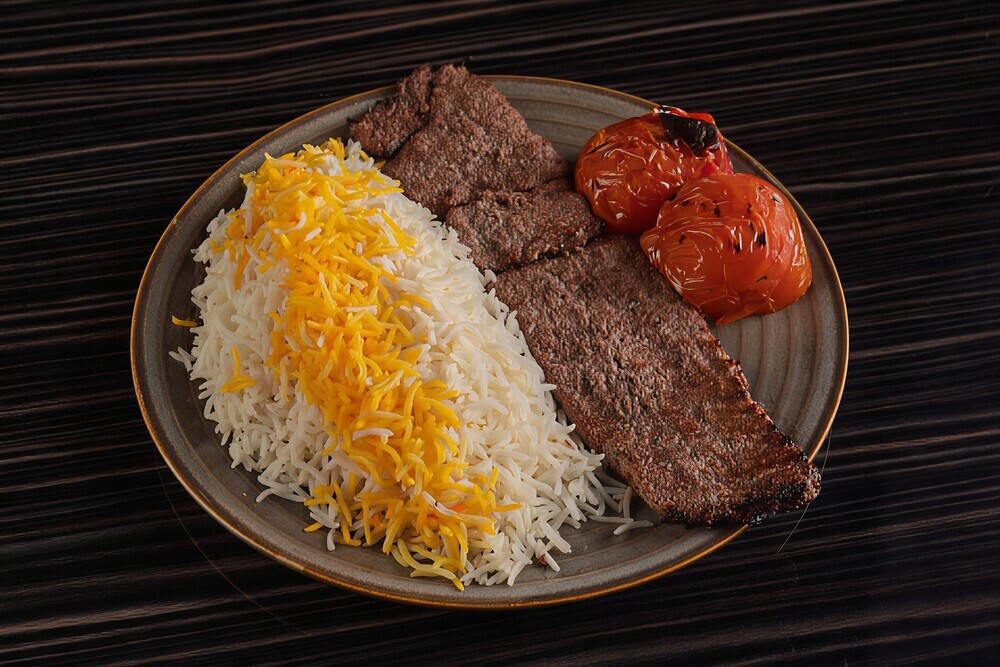
Imagine putting that juicy, seasoned meat on top of a mound of buttery saffron rice and serving it with charred, blistered tomatoes on the side.
A sprinkle of tangy sumac-dusted onions and fresh herbs makes the dish taste better, especially when it's wrapped in warm, pillowy flatbread.
How to Identify the Best Kabob Near Me: Tips and Tricks
If you want to find a really great meal, start by looking for hidden gems run by families in your area. These places often take the most pride in their history.
Look for reviews that mention a "juicy" texture. This is what makes a koobideh kabob perfect.
You should also look for a place that uses charcoal grills that get very hot.
The smoky smell and the little bit of dark char on the outside are signs that the kitchen knows how to keep those real flavors in.
-
Visual Inspection & Smell: Good kebabs should smell strongly of smoke and have a dark, charred color rather than a light one. You're probably in the right place if you smell meat and see charcoal smoke.
-
Menu Specialization: Compared to establishments with large, varied menus, restaurants that concentrate only on kabobs or have a small, specialized menu frequently produce better quality.
-
Texture and Appearance: The meat shouldn't be flawlessly smooth or consistent; variations show that the meat was properly prepared by hand rather than processed with excessively finely chopped fillers.
-
Look for Keywords in Reviews: Look for terms like "juicy," "tender," and "charcoal" in reviews on sites like Instagram and Zomato.
-
Seek out fresh ingredients: Good restaurants frequently serve kebabs with fresh side garnishes like grilled tomatoes, fresh parsley, and onions dusted with sumac.
Pairing Your Kabob with Authentic Sides and Beverages
A straightforward grilled meal can be transformed into a true Middle Eastern or Mediterranean feast by pairing kabobs with the appropriate sides and drinks.
The best accompaniments combine freshness, acidity, and creamy textures with the rich, smoky flavors of the grilled meat.
Here's how to serve your kabob with real sides and drinks:
Essential Dips and Sauces
-
Tzatziki or Cacık: A cool, creamy dip made with yogurt and cucumber that cuts through the fat of lamb or kofta.
-
Hummus: Creamy, tahini-based chickpea dip perfect for scooping with pita.
-
Baba Ganoush: A smoky eggplant dip that complements grilled vegetables and meats.
-
Tahini Sauce: A simple mix of tahini, lemon juice, and water adds a nutty, bright flavor.
-
Turkish Ezme: A spicy, finely chopped vegetable condiment made with tomatoes, onions, and peppers.
Authentic Side Dishes (Mezze)
-
Tabbouleh: A colorful salad of parsley, tomatoes, bulgur, and mint.
-
Fattoush: A Levantine bread salad made with sumac-toasted pita, radishes, and leafy greens.
-
Shirazi/Jerusalem Salad: Finely chopped tomatoes, onions, and cucumbers combined with lemon juice and olive oil.
-
Sumac Onions: Perfect for slicing through rich meats, thinly sliced red onions are combined with sumac and parsley.
Grains and Rice
-
Saffron Rice: Aromatic basmati rice that is frequently garnished with nuts or barberries.
-
Vermicelli Rice: A traditional Levantine dish of rice cooked with toasted vermicelli noodles is called vermicelli rice.
-
Bulgur Pilaf: A filling, nutty grain dish made with tomatoes and peppers is called bulgur pilaf.
Bread and Potatoes
-
Pita Bread or Pide: Warm, fluffy bread for sandwiches or dipping is known as pita bread or pide.
-
Batata Harra: Lebanese hot potatoes roasted with garlic, cilantro, and chilli are known as batata harra.
Final Thought
In the end, finding the ideal kabob is about honoring a culinary tradition that has united people for generations rather than merely sating a craving.
Every stage of the process, from the painstaking craft of the marinade to the smoky magic of the charcoal grill, adds to a flavor profile that is both deeply sophisticated and comforting.
You can make sure that every bite honors the rich history of Middle Eastern cuisine by selecting eateries that place an emphasis on using fresh ingredients, using traditional methods, and using genuine spices.
We hope this guide helps you explore the vibrant flavors of Persian and Mediterranean cuisine, whether you're discovering a new favorite dish or sharing skewers with friends.
Are you ready to try the tradition for yourself?
Visit Aban Persian Restaurant today to experience real Persian hospitality and flavors.
 Omojet