


📌 Key Takeaways
Persian cuisine can be a nutritious choice because it emphasizes whole foods, fresh herbs, legumes, vegetables, lean proteins, whole grains, and flavorful spices. The article explores healthy Persian breakfast options, the balanced use of meat, vegetarian dishes, and the nutritional qualities of foods such as Fesenjan, Ash, Tahdig, and saffron. It also explains the similarities and differences between Persian and Mediterranean eating traditions, making persian restaurant houston and mediterranean restaurant houston natural keyword fits.
Is Persian food healthy? It is a widely debated issue amongst nutritionists as well as health conscious people all over the world. Indeed, it can be answered in the affirmative. Persian cuisine is among one of the healthiest cuisines of the world. It includes fresh foods as well as cooking traditions that can match the renowned Mediterranean diet. Unlike most contemporary diets, which include foods that are processed and can be quickly cooked, Persian cuisine has an excellent combination of whole foods and healthy cooking practices.
The reasons behind the health benefits of Persian foods can be traced back to their breakfasts. Persian breakfast items are an indication of how healthy Persian food is. These foods have high amounts of protein, fat as well as carbohydrates.
Common Breakfast Foods in Iran: Nutritious Food Choices
In Iran, there are many kinds of Iranian breakfast foods. Usually, people eat fresh bread (preferably whole wheat), cheese, walnuts, dates, fresh herbs such as mint and parsley, and eggs (in case the person chooses to prepare eggs). Such a set of foods provides one with all the needed nutrients that have been helping Iranian communities stay healthy and prosperous for several thousand years. Cheese gives calcium and proteins, walnuts give omega-3 acids, and dates are a great source of natural energy.
Another aspect that speaks to why Persian food is healthy, is the way it compares with Western breakfast foods. It is well-known that breakfasts in Western cultures consist of foods that cause spikes in the person's sugar levels and then lead to sudden drops. Persian foods for breakfast help to stay full through the entire morning and do not cause any negative effects on the body. In this regard, it is necessary to understand the basic differences between the two breakfasts, and only then can one explain if Persian food is healthy.
A unique part of Persian foods is the use of fresh herbs. They include tarragon, dill, cilantro, parsley, and some other species which serve both as garnish and nutritious ingredients. Such herbs contain lots of vitamins and minerals, which helps improve immune system function and stay healthy. Daily intake of fresh herbs is an essential part of Persian foods that is highly appreciated by modern nutritionists.
Is There Any Meat in Persian Food?
It is essential to understand the use of meat in Persian food to answer is Persian food healthy? Do Iranians eat meat? Yes, but the proportions differ from those used in western countries. In traditional Iranian cuisine, there is an emphasis on the consumption of lamb, beef, and chicken, but in moderation, not the excessive amounts consumed in the West. In Persian cuisine, the proportion of meat is equal to that of other foods, including rice, fruits, vegetables, legumes, and aromatics.
Lamb is an important part of traditional Iranian cuisine with many health benefits. The CLA content in lamb is higher than that in beef, especially if the meat comes from sheep raised in grass pasture. Lamb meat is a rich source of proteins, iron, zinc, and B-vitamins, which are vital for energy metabolism and the immune system. Lamb cooked in traditional Persian recipes involves stewing the meat slowly in herbs and vegetables, making it tender while adding antioxidants from herbs and fiber from vegetables.
At the same time, Persian cuisine shows that healthy Persian food can be achieved even without the dominance of meat in the diet. There are many vegetarian recipes in Persian cuisine. Lentil stews, such as Adasi, split peas, and beans cooked with grains, produce a complete protein profile. Vegetable dishes containing eggplants, zucchini, and tomatoes, cooked with Persian spices, provide high nutritional value without animal products.
Is Persian Food Mediterranean? Understanding the Distinction
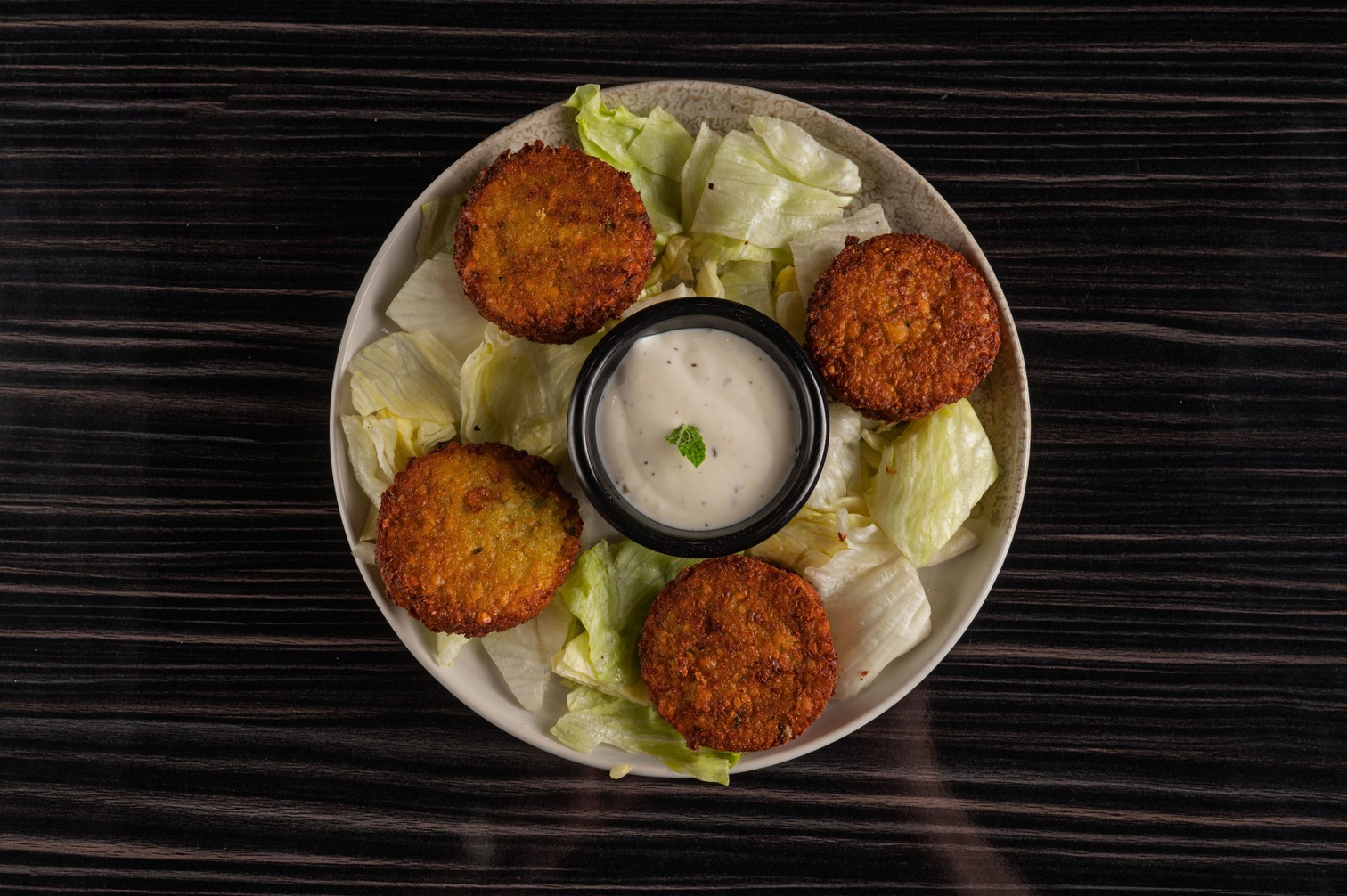
One interesting point of discussion within the field of nutrition involves Persian cuisine and its relation to the Mediterranean style of eating. Even though many similar elements exist between these two types of cuisine, they remain different traditions each possessing specific qualities of its own. Both cultures enjoy high-quality, wholesome foods such as olive oil, whole grain, fresh produce, legumes, and herbs, which are commonly found at a mediterranean restaurant houston and both have formed highly healthy nations in comparison with Western countries due to low levels of cardiovascular diseases and some forms of cancer. But what makes Persian cuisine different from Mediterranean?
It is obvious that Persian and Mediterranean healthy diets differ from one another by spices and cooking techniques they use. The Middle East uses spices such as saffron, turmeric, cumin, and cinnamon, which add more nutrients like anti-inflammatory agents and antioxidants to the dishes than Mediterranean herbs can give. Additionally, Persian cuisine uses a lot of unique components, such as pomegranate syrup, loomi, and walnut-pomegranate sauce, which do not exist in the Mediterranean tradition of eating.
Famous Iranian Foods: Nutritional Profiles of Iconic Dishes
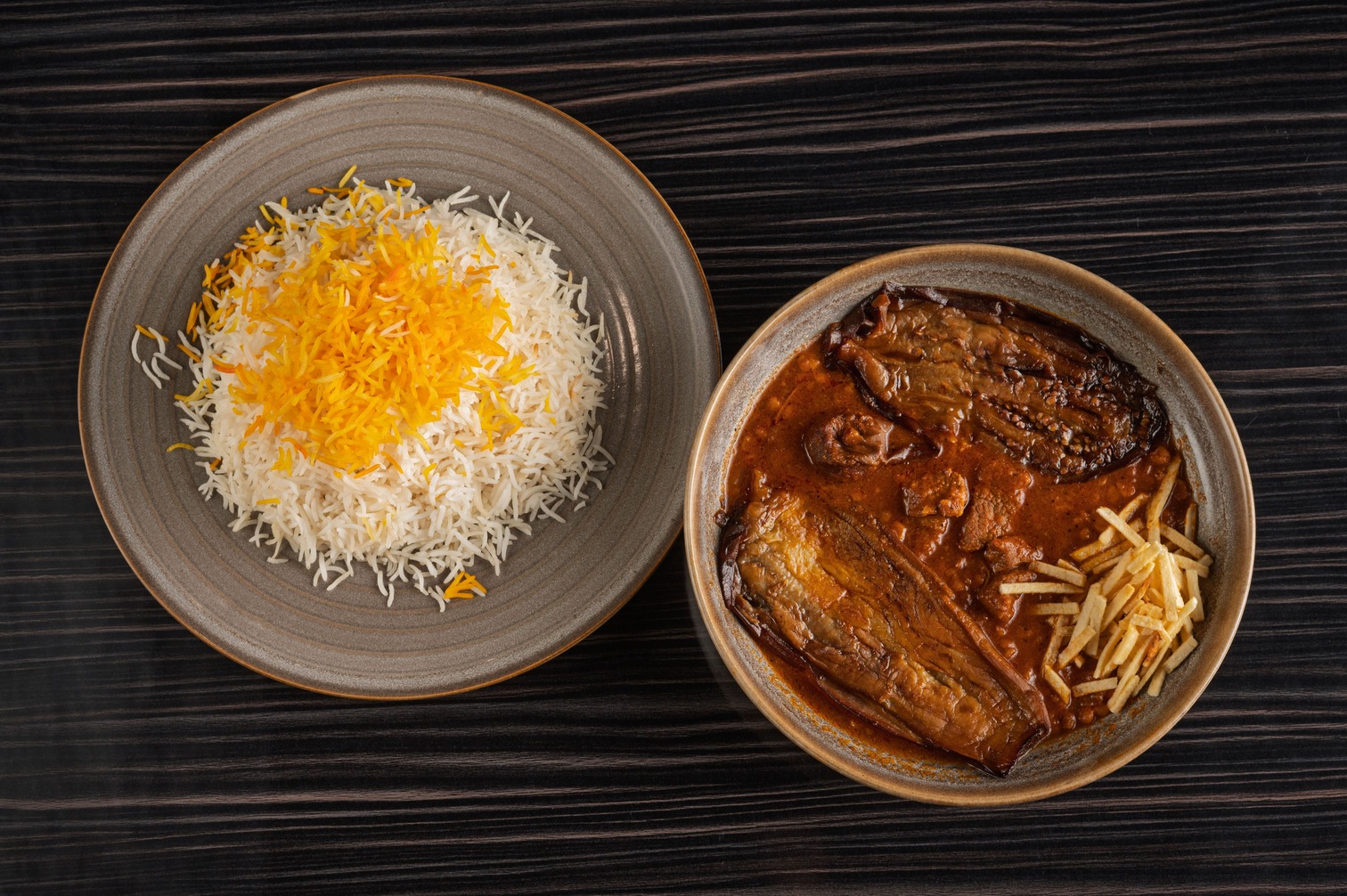
The famous Iranian dishes served at a persian restaurant houston are examples demonstrating why Persian cuisine is healthy. First, for example, tahdig, a popular combination of crispy rice with Persian stew, proves how the addition of whole grains to dishes with vegetable and herbal sauces can positively influence health. Second, Fesenjan is a dish that consists of pomegranate sauce and walnut sauce. Pomegranates are known for their antioxidant properties, while walnuts contain omega-3. The next example of healthy food is Ash, which is a minestrone soup with numerous legumes and herbs. Finally, saffron, which is one of the most commonly used spices in Iranian dishes, emphasizes the Iranian culture's awareness of food and its beneficial effects on health far before nutritional science existed. It should be noted that saffron contains crocin and safranal with their anti-inflammatory, antidepressant, and even anticancer properties.
Conclusion
Undoubtedly, there is enough evidence to support the idea that Persian food is healthy. In fact, it is incredibly healthy. It incorporates a nutritious culture of food combining pleasure, cultural traditions, and health. From tasty Iranian breakfast foods which allow one to gain enough strength for the entire day to proper cooking of such products as meat, poultry, or veggies enriched with useful spices and herbs – Persian food covers all spheres of nutrition. Persian diet implies choosing the whole ingredients along with herbs, legumes, whole grains, and beneficial fats. No matter what motivates one to follow this type of diet – a family background or increasing knowledge regarding nutritious value of the particular products, Persia is able to offer its followers delicious meals beneficial for health and life expectancy.
 Omojet